Introduction to Cotinus Coggygria Extract
Cotinus coggygria extract, derived from the smoke tree — a deciduous shrub native to southern Europe, the Himalayan region, and parts of central China — has attracted growing interest across the nutraceutical, cosmetic, and pharmaceutical ingredient industries. Known by common names such as smokebush or smoke tree, Cotinus coggygria has a long history of traditional use in herbal medicine, particularly across Chinese and European botanical traditions. Today, its concentrated plant extract is recognized as a commercially valuable ingredient with a broad spectrum of bioactive properties.
As global demand for plant-based active ingredients continues to rise, Cotinus coggygria extract has emerged as a compelling option for manufacturers, brand owners, and formulation specialists seeking scientifically supported, naturally sourced raw materials.
Botanical Source and Raw Material Origin
Plant Profile
Cotinus coggygria Scop. belongs to the family Anacardiaceae. The plant thrives in rocky hillsides, open woodlands, and limestone-rich soils across its native range. In commercial cultivation and wild-harvest contexts, the leaves and stems serve as the primary raw material for extract production. Leaf material is typically harvested during the peak growing season when the concentration of active compounds is at its highest, ensuring optimal yield and potency in the finished extract.
Geographic Sourcing
The majority of commercially produced Cotinus coggygria extract originates from cultivation bases and wild-harvest regions in China, particularly in provinces such as Shandong, Hebei, and Shanxi, where the plant grows abundantly. Responsible sourcing programs and agricultural traceability systems help ensure a consistent supply of high-quality raw material from season to season.
Key Active Compounds
Cotinus coggygria extract is rich in a diverse array of phytochemicals that contribute to its functional profile. The primary bioactive constituents identified in scientific literature include:
- Myricetin — a flavonoid with well-documented antioxidant and anti-inflammatory activity
- Fisetin — a naturally occurring flavonol associated with neuroprotective and antioxidant properties
- Quercetin — one of the most studied dietary flavonoids, widely recognized for its antioxidant, anti-inflammatory, and immune-modulating effects
- Gallic acid — a phenolic acid known for its potent antioxidant capacity and antimicrobial properties
- Ellagic acid — a polyphenol associated with cellular protection and anti-inflammatory pathways
- Sulfuretin and butein — chalcone-type flavonoids with reported biological activities
- Tannins — including hydrolyzable and condensed tannins that contribute to astringent and antimicrobial functions
The standardized extract is commonly assayed against total flavonoid content, total polyphenol content, or specific marker compounds such as myricetin or quercetin, depending on the intended application.
Extraction and Manufacturing Process
Production Technology
At Extract Makers, Cotinus coggygria extract is produced using a systematic, multi-stage manufacturing process designed to maximize the retention of bioactive compounds while ensuring product safety and consistency.
The general production process includes:
- Raw material selection and inspection — incoming plant material undergoes identity verification, moisture analysis, and pesticide residue screening before entering production
- Pre-processing — the dried leaves and stems are cleaned, sorted, and milled to a consistent particle size
- Solvent extraction — aqueous ethanol or water-based extraction systems are typically employed to selectively isolate polyphenols and flavonoids from the plant matrix
- Filtration and clarification — crude extracts are filtered to remove insoluble plant residues
- Concentration — the liquid extract is concentrated under reduced pressure using vacuum evaporation to preserve thermolabile active compounds
- Spray drying or vacuum drying — the concentrated extract is converted into a fine, free-flowing powder with controlled moisture levels
- Standardization and blending — finished batches are assayed and blended to achieve consistent active compound specifications
- Quality control and release testing — the final product undergoes comprehensive analytical testing prior to packaging and release
Quality Management
Extract Makers operates under a quality management framework aligned with international standards. Each production batch is subject to rigorous in-process controls and final product testing to ensure compliance with customer specifications and applicable regulatory requirements.
Physical and Chemical Characteristics
| Parameter | Typical Specification |
|---|---|
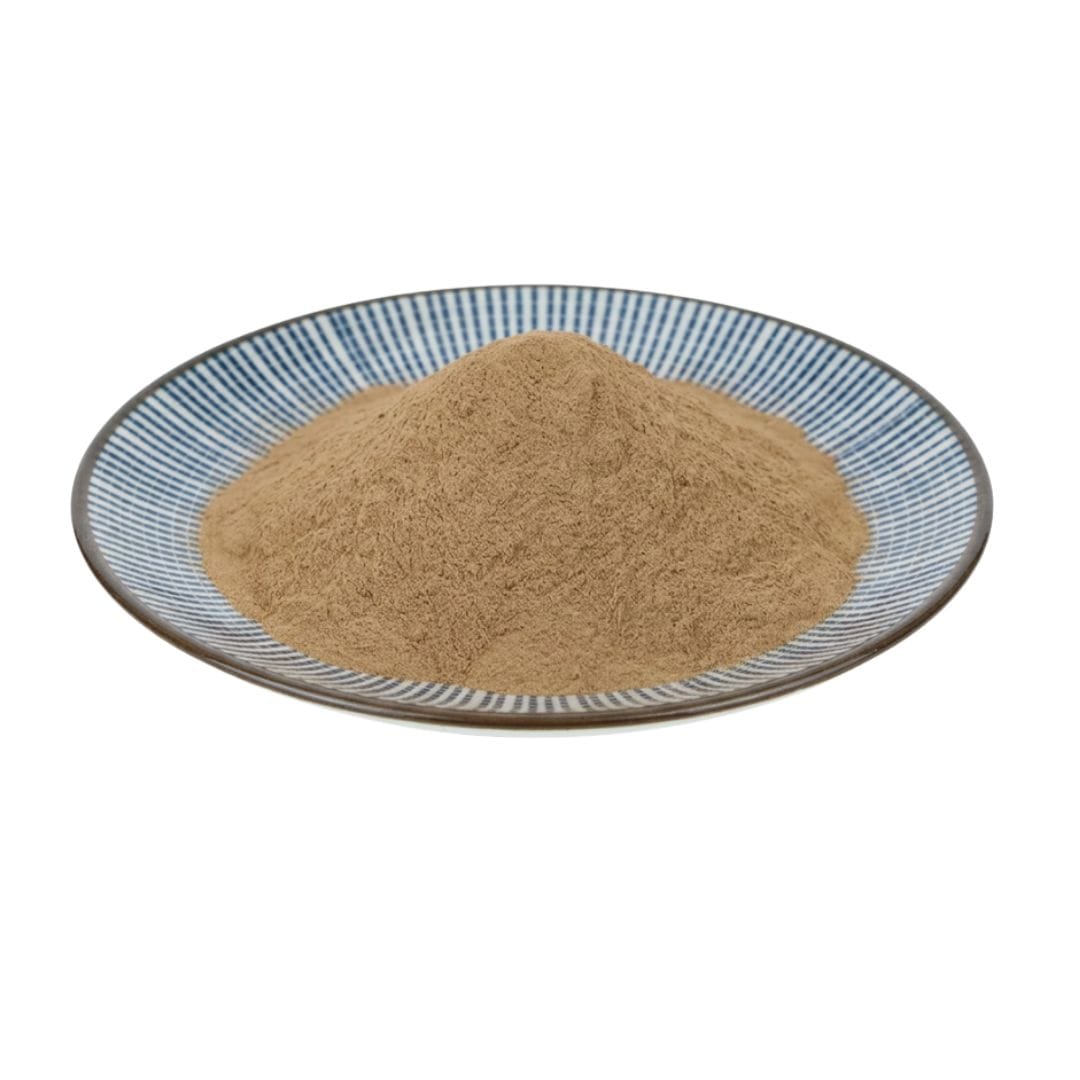
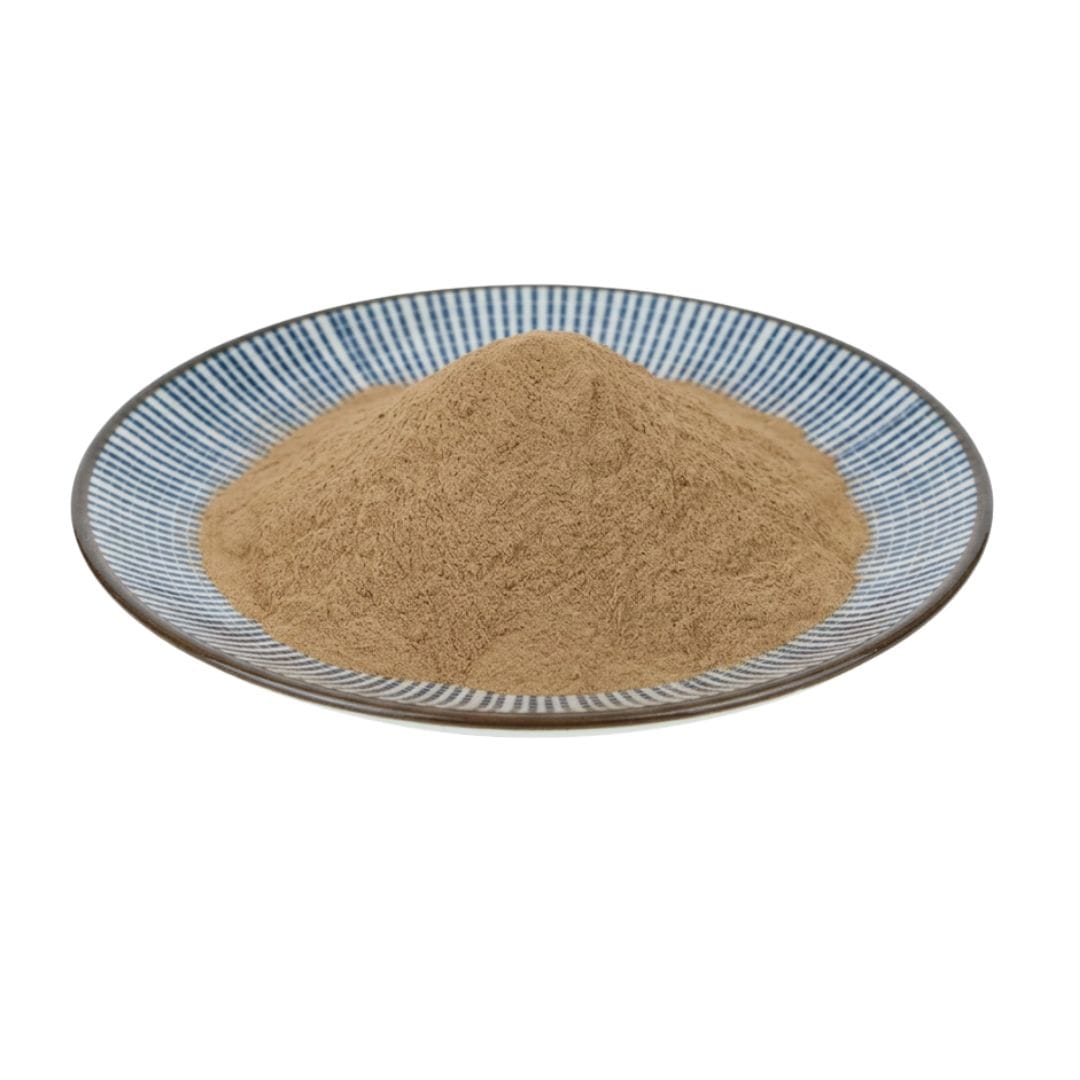
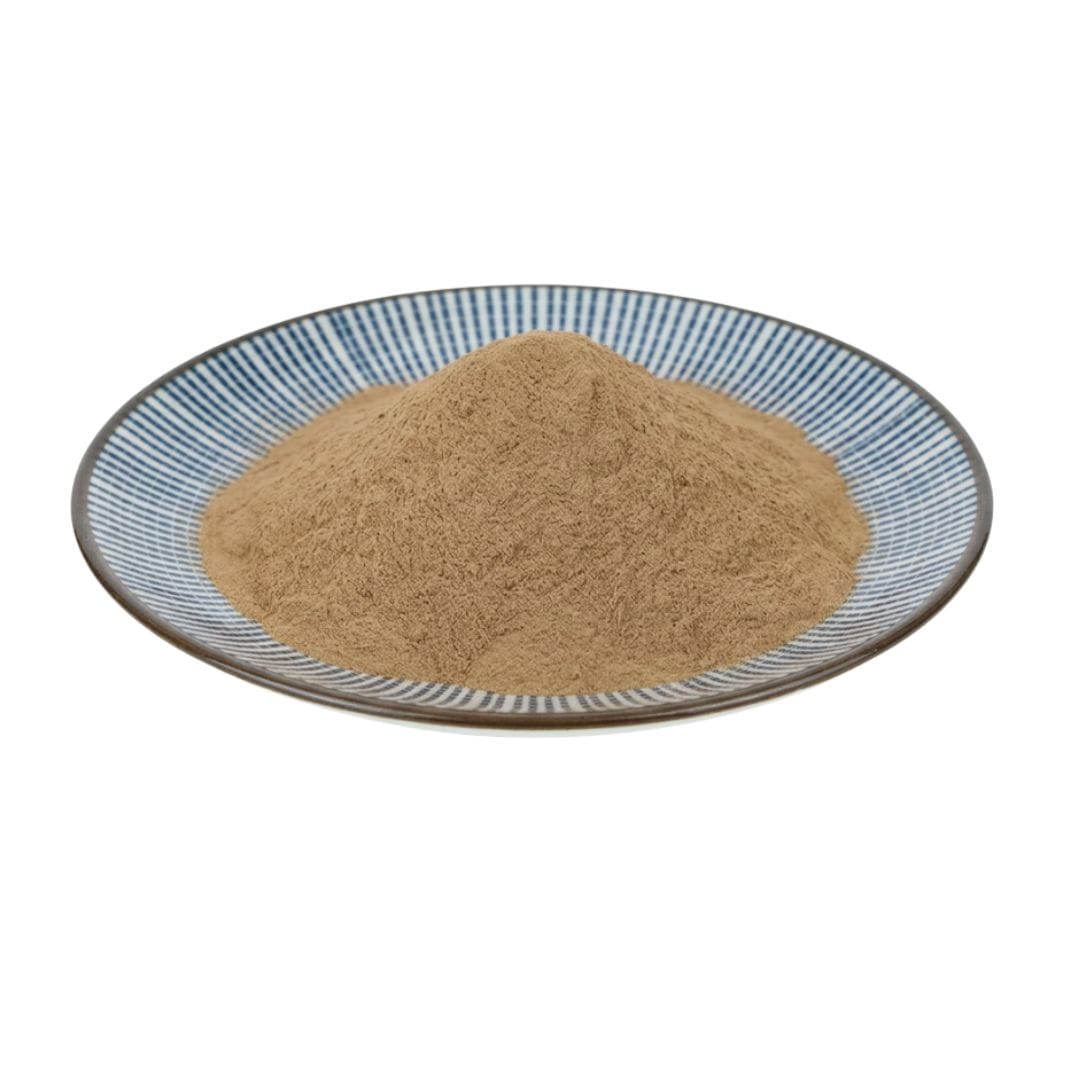
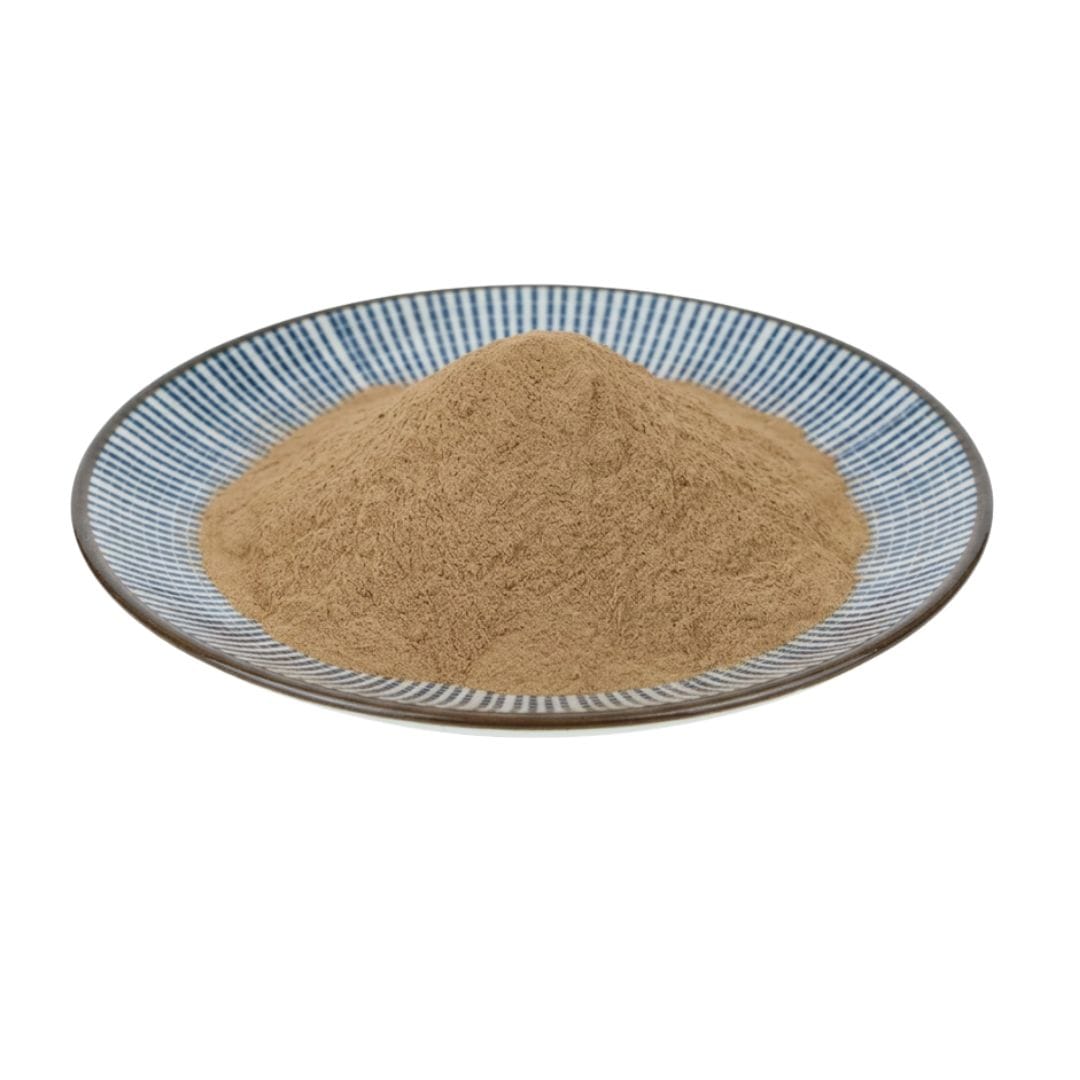
| Appearance | Brown to dark brown fine powder |
| Odor | Characteristic, slightly astringent |
| Solubility | Partially soluble in water; soluble in ethanol and other polar organic solvents |
| Moisture Content | ≤ 5.0% |
| Ash Content | ≤ 5.0% |
| Particle Size | 80–100 mesh (customizable) |
| Active Marker | Total flavonoids, total polyphenols, or specific compound assay |
| Heavy Metals | ≤ 10 ppm (per standard specifications) |
| Pesticide Residues | Compliant with applicable pharmacopoeial limits |
Note: Specific technical parameters can be customized according to customer requirements and end-use applications.
Functional Benefits and Biological Activities
Cotinus coggygria extract has been the subject of growing scientific interest, with research exploring a range of functional properties. The following activities are supported by published studies and established phytochemical knowledge:
Antioxidant Activity
The high polyphenol and flavonoid content of Cotinus coggygria extract gives it exceptional free radical scavenging capacity. This makes it a valuable functional ingredient in formulations targeting oxidative stress, cellular aging, and overall antioxidant support.
Anti-Inflammatory Properties
Several constituents within the extract — including quercetin, myricetin, and gallic acid — have been shown to modulate inflammatory pathways. This property is of particular interest in dietary supplement and cosmetic formulations designed to support comfort, recovery, and skin health.
Antimicrobial Effects
Tannins and phenolic acids present in the extract demonstrate meaningful activity against a range of bacterial and fungal species, supporting potential applications in preservative systems and antimicrobial formulations.
Skin Care and Cosmetic Applications
The astringent and antioxidant properties of Cotinus coggygria extract make it suitable for inclusion in cosmetic and topical formulations targeting skin firmness, pore appearance, and protection against environmental oxidative damage. It is compatible with a wide range of cosmetic matrices, including serums, creams, and toners.
Support for Metabolic Health
Emerging research has explored the role of flavonoid-rich plant extracts in supporting metabolic function, including glucose metabolism and lipid balance. While further clinical investigation is ongoing, the bioactive profile of Cotinus coggygria extract positions it as a candidate ingredient for functional food and supplement formulations in this category.
Industry Applications
Cotinus coggygria extract is a versatile ingredient suitable for a wide range of commercial applications:
- Dietary supplements — capsules, tablets, soft gels, and powdered supplement blends targeting antioxidant, anti-inflammatory, or general wellness positioning
- Nutraceutical ingredients — functional food and beverage formulations, including health drinks, wellness shots, and fortified food products
- Cosmetic and personal care — skin care serums, anti-aging creams, facial toners, cleansers, and hair care products
- Pharmaceutical raw materials — as an active botanical ingredient in herbal medicine preparations and combination formulas
- Animal nutrition — as a natural feed additive with antioxidant and antimicrobial properties, supporting livestock and aquaculture health
Solubility and Formulation Compatibility
Cotinus coggygria extract in powder form is partially water-soluble and more readily soluble in ethanol, propylene glycol, and other polar solvents. For aqueous formulations requiring full dispersion, the use of solubilizers or encapsulation technology may be recommended.
The extract is generally compatible with other botanical extracts, vitamins, and mineral premixes commonly used in dietary supplement manufacturing. Formulators should conduct standard compatibility testing when combining with highly alkaline ingredients or active compounds sensitive to polyphenol interaction.
Storage Recommendations
To preserve the stability and potency of Cotinus coggygria extract, the following storage conditions are recommended:
- Store in a cool, dry environment, away from direct sunlight and heat sources
- Recommended storage temperature: below 25°C (77°F)
- Keep containers tightly sealed after opening to prevent moisture absorption and oxidation
- Avoid exposure to high humidity environments
- Shelf life: typically 24 months from the date of manufacture when stored under recommended conditions
Packaging and Order Specifications
Extract Makers offers Cotinus coggygria extract in flexible packaging formats suitable for both sampling and large-scale commercial procurement:
- Sample quantities: available upon request for evaluation and formulation development
- Standard packaging: 1 kg, 5 kg, and 25 kg kraft paper bags or fiber drums with inner polyethylene liner
- Custom packaging: available for OEM customers and private-label programs
- Minimum order quantities: subject to product specifications and customization requirements — contact our sales team for details
Quality Standards and Testing
Every batch of Cotinus coggygria extract produced by Extract Makers is subjected to comprehensive analytical testing in accordance with established quality standards. Standard testing parameters include:
- Identification (TLC, HPLC, or UV-Vis spectroscopy)
- Assay of active markers (total flavonoids, total polyphenols, specific compounds)
- Heavy metals (lead, arsenic, cadmium, mercury)
- Pesticide residue screening
- Microbial limits (total plate count, yeast and mold, pathogens)
- Loss on drying / moisture content
- Ash content
- Particle size distribution
A full Certificate of Analysis (CoA) is provided with every shipment. Additional documentation such as MSDS, specification sheets, and third-party testing reports can be provided upon request.
Why Source Cotinus Coggygria Extract from Extract Makers?
Extract Makers is a professional manufacturer and supplier of standardized plant extracts and botanical raw materials serving customers across the dietary supplement, cosmetic, food and beverage, and pharmaceutical industries worldwide. Our manufacturing facilities operate under stringent quality management systems, and our team of experienced technical specialists provides reliable support throughout the procurement and formulation process.
Key reasons to partner with Extract Makers:
- Consistent quality — batch-to-batch standardization backed by in-house analytical laboratories
- Transparent sourcing — traceable raw material supply chains from verified agricultural origins
- Flexible customization — extract specifications, particle size, solubility enhancements, and packaging tailored to your requirements
- Regulatory support — documentation packages to support product registration and compliance in key markets
- Responsive service — dedicated account management and technical support for formulators, importers, and brand owners
Contact Us
For pricing inquiries, technical specifications, sample requests, or to discuss custom formulation requirements, please contact the Extract Makers team:
📧 Email: [email protected]
Our team is ready to support your product development goals with reliable ingredients, professional service, and industry expertise.