What Is Acmella Oleracea Extract? A Complete Guide for Formulators and Buyers
Overview of Acmella Oleracea Extract
Acmella oleracea extract is a specialized botanical ingredient derived from the flowering plant Acmella oleracea (L.) R.K. Jansen, commonly known as Paracress, Toothache Plant, or Spilanthes acmella. This plant belongs to the Asteraceae family and has a long history of traditional use across South America, Africa, and Southeast Asia — particularly for its distinctive tingling and numbing sensations on oral tissues.
In modern applications, Acmella oleracea extract has attracted considerable interest from cosmetic formulators, nutraceutical developers, and oral care product manufacturers due to its rich concentration of bioactive compounds, most notably spilanthol (N-isobutylamide), an alkylamide that is responsible for the plant's characteristic sensory and functional properties.
As global demand for natural, plant-derived actives continues to grow, Acmella oleracea extract has emerged as a commercially significant ingredient in premium skincare, anti-aging formulations, oral health products, and functional food supplements.
Botanical Source and Plant Origin
Plant Profile
| Parameter | Details |
|---|---|
| Botanical Name | Acmella oleracea (L.) R.K. Jansen |
| Synonyms | Spilanthes acmella, Spilanthes oleracea |
| Common Names | Paracress, Toothache Plant, Electric Daisy, Buzz Buttons |
| Plant Family | Asteraceae (Compositae) |
| Parts Used | Flowers, aerial parts (leaves and stems) |
| Native Origin | South America (Brazil, Bolivia) |
| Cultivation Regions | Brazil, India, Madagascar, Vietnam, Southeast Asia |
Acmella oleracea is an annual or short-lived perennial herb that thrives in tropical and subtropical climates. The plant produces small, cone-shaped yellow and red flower heads that are the primary source of spilanthol, the key bioactive constituent. The flowers and aerial parts are harvested at peak bloom to ensure maximum active compound concentration before undergoing extraction.
Traditional Ethnobotanical Use
Across indigenous communities in South America and parts of Africa, Acmella oleracea has been used for centuries as a natural remedy for toothaches, oral infections, and inflammatory conditions. Traditional healers applied fresh flowers directly to gum tissue to relieve pain — a practice that aligns closely with the modern scientific understanding of spilanthol's analgesic and anti-inflammatory mechanisms. This deep-rooted ethnobotanical heritage strengthens the ingredient's credibility as a clinically-relevant botanical active.
Key Active Compounds
The functional profile of Acmella oleracea extract is primarily attributed to a group of lipophilic alkylamides, with spilanthol being the most studied and commercially significant.
Spilanthol (N-Isobutylamide)
Spilanthol, chemically known as (2E,6Z,8E)-N-(2-methylpropyl)-deca-2,6,8-trienamide, is the principal bioactive compound in Acmella oleracea extract. It is responsible for:
- The characteristic tingling, buzzing, and mild numbing sensation on mucous membranes
- Anti-inflammatory activity via modulation of pro-inflammatory mediators
- Analgesic effects relevant to oral care applications
- Potential neuromuscular relaxation properties, which have driven interest in topical anti-aging cosmetics
Standardized extracts are typically characterized by spilanthol content, commonly ranging from 0.4% to 1.0% in commercial grades, though higher-concentration variants are available for specialized formulations.
Additional Phytochemicals
Beyond spilanthol, Acmella oleracea extract contains a complex matrix of secondary metabolites that contribute to its overall bioactivity:
- Flavonoids (quercetin, kaempferol derivatives) — antioxidant and anti-inflammatory support
- Polyphenols — oxidative stress protection
- Sesquiterpene lactones — contributes to antimicrobial activity
- Essential oils — minor aromatic components
- Triterpenoids — supporting skin barrier function
- Carotenoids — pigmentation and antioxidant properties
This synergistic phytochemical profile makes Acmella oleracea extract a multifunctional ingredient well-suited for complex formulation systems.
Extraction and Manufacturing Process
Raw Material Selection and Sourcing
High-quality Acmella oleracea extract begins with careful agricultural sourcing. The finest raw material is typically harvested from organically cultivated or wild-crafted plants in tropical growing regions including Brazil, India, and Madagascar. Responsible sourcing programs track plant origin, cultivation practices, and harvest timing to ensure consistent phytochemical profiles from batch to batch.
Extraction Technology
Extract Makers employs a combination of advanced extraction methodologies to produce Acmella oleracea extract with optimal spilanthol retention and purity:
- Solvent Extraction (Ethanol/Water): The most widely used approach for producing standardized dry extracts. Ethanol-water binary solvent systems efficiently extract alkylamides while minimizing co-extraction of unwanted compounds.
- CO₂ Supercritical Extraction: Preferred for producing concentrated oleoresin or liquid extract variants with superior spilanthol preservation and clean-label appeal. This solvent-free process yields extracts with excellent sensory stability.
- Hydro-distillation: Applied in the preparation of essential oil fractions.
- Maceration and Percolation: Utilized for traditional-style liquid extracts and tinctures.
Post-extraction, the material undergoes concentration, filtration, and either spray-drying or freeze-drying to achieve the target powder specification.
Standardization and Quality Control
Each production batch is standardized to defined spilanthol levels, confirmed through HPLC analysis. Quality control protocols at Extract Makers include:
- Identification: TLC and HPLC fingerprinting
- Assay: HPLC quantification of spilanthol and total alkylamides
- Heavy Metal Testing: ICP-MS analysis for lead, arsenic, cadmium, mercury
- Microbial Testing: Total plate count, yeast and mold, Salmonella, E. coli
- Pesticide Residue Screening: Multi-residue analysis per international standards
- Solvent Residue Testing: Compliance with ICH Q3C guidelines
- Moisture Content and Loss on Drying
Full Certificates of Analysis (CoA) are provided with every shipment, and raw data is available upon request to support customer regulatory documentation.
Physical and Chemical Characteristics
| Parameter | Specification |
|---|---|
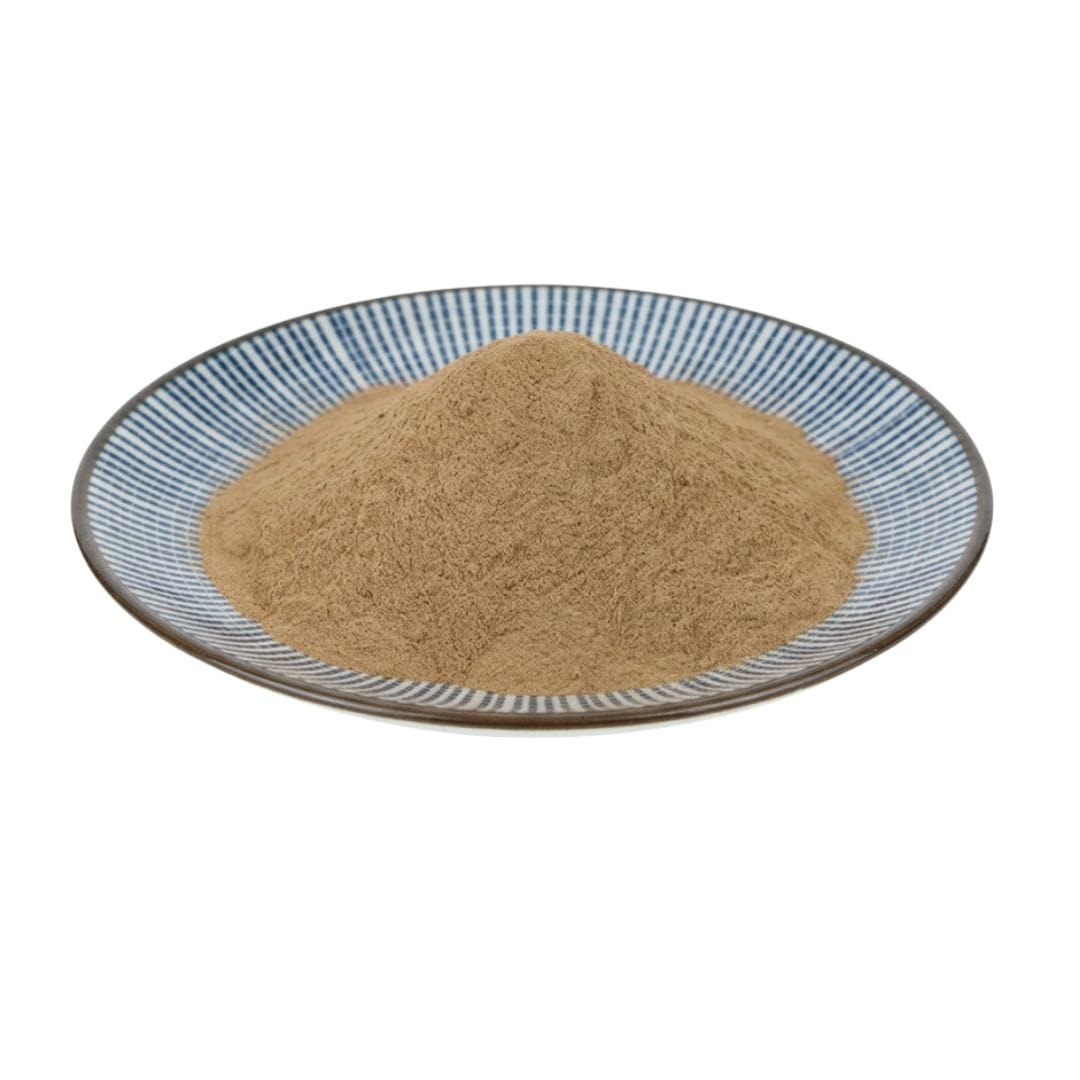
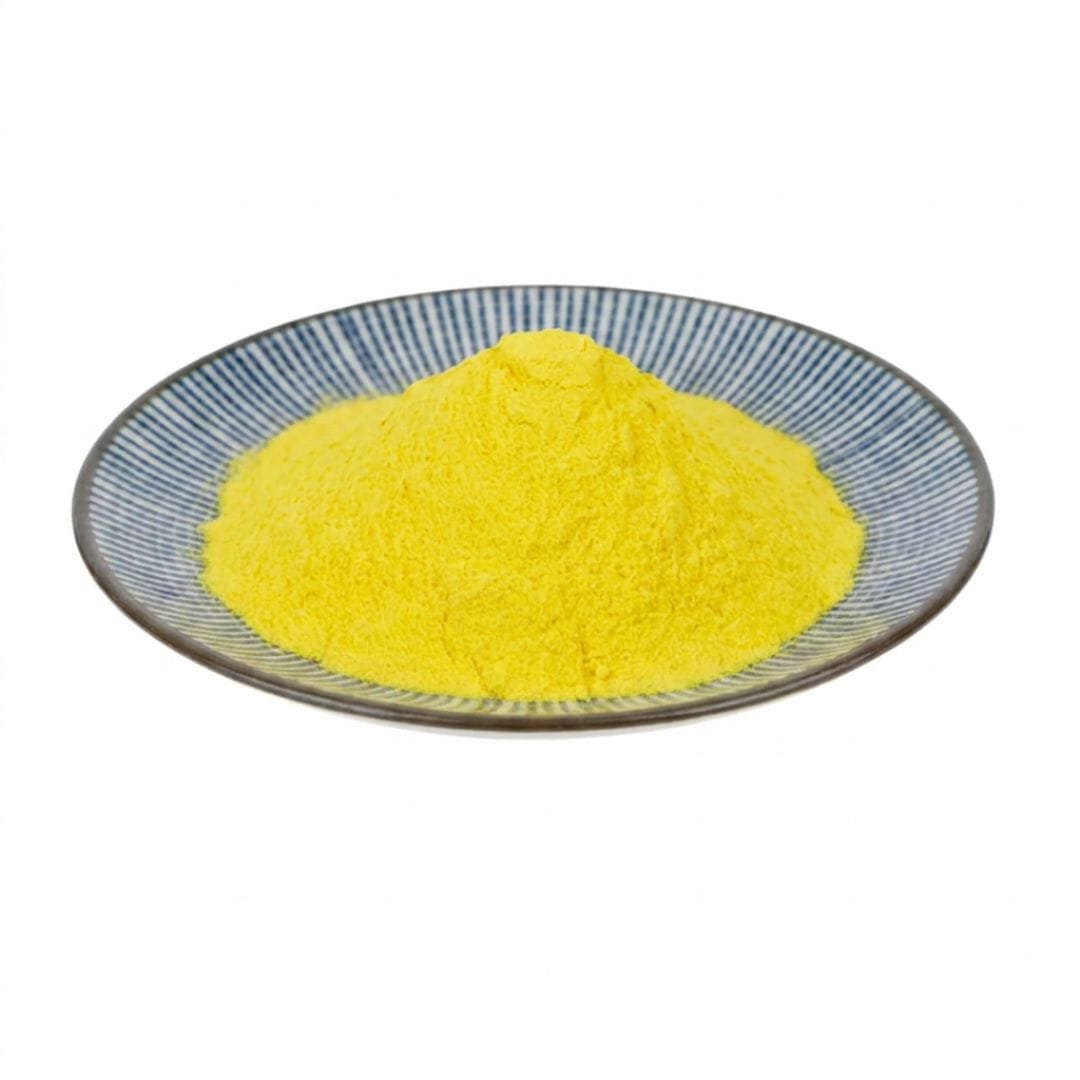
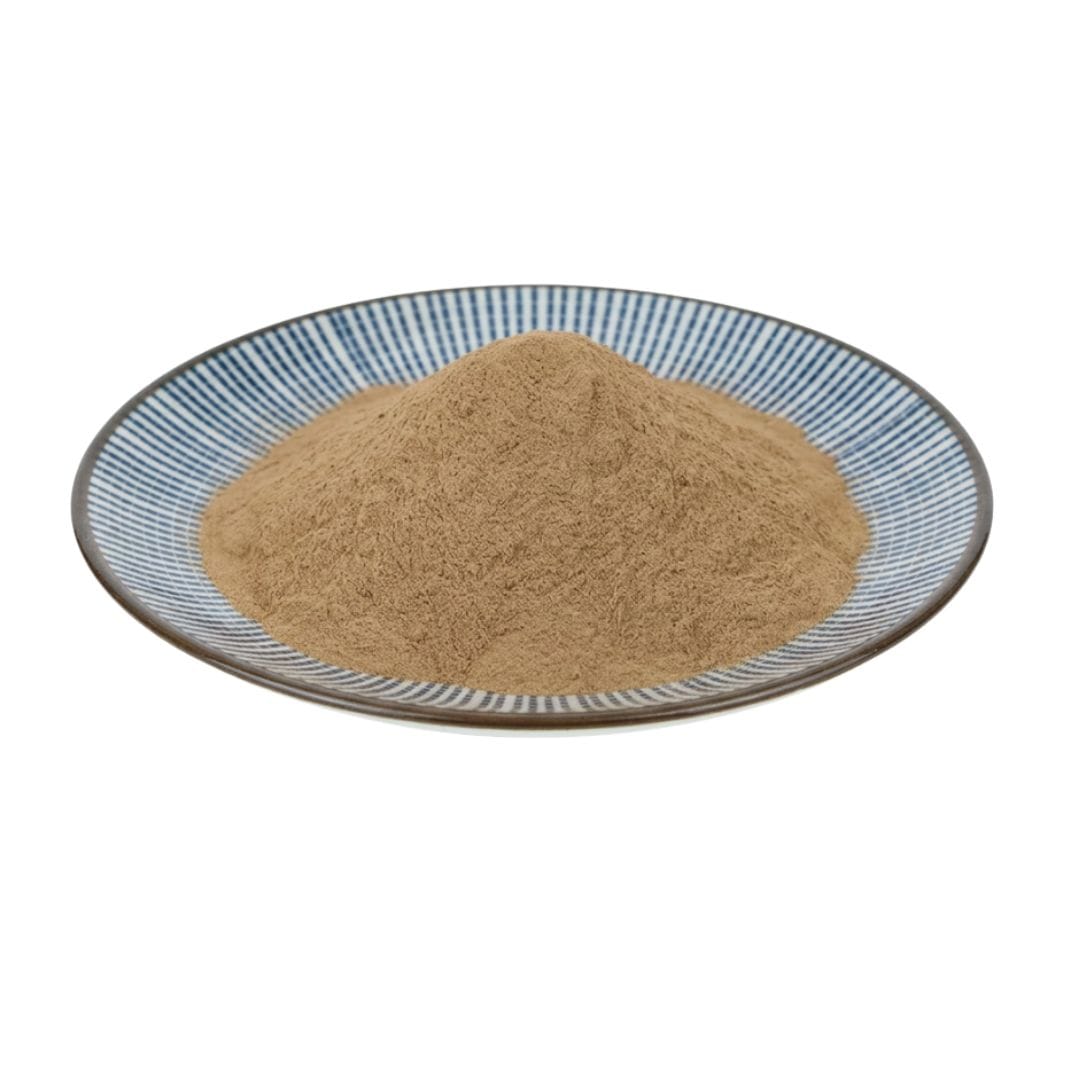
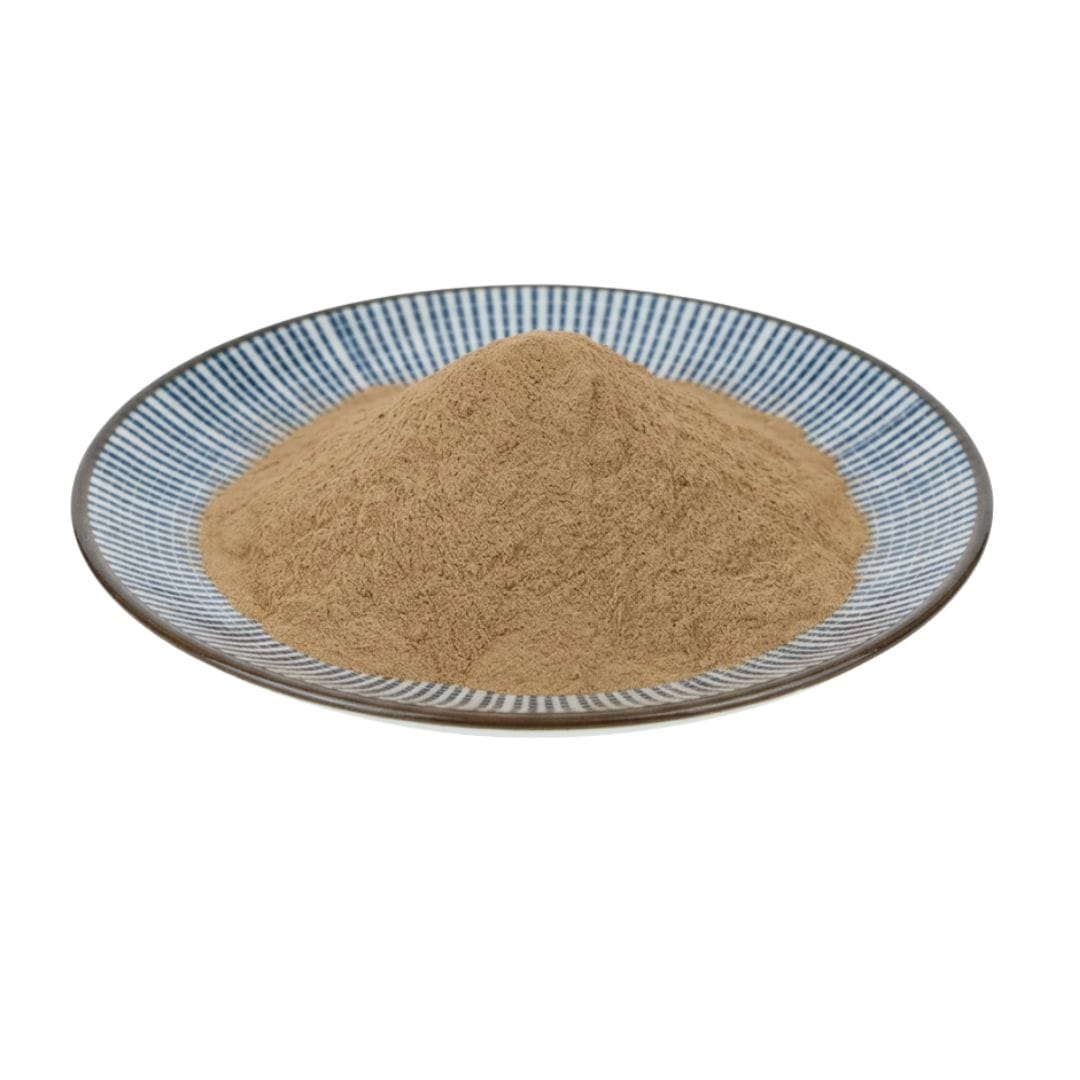
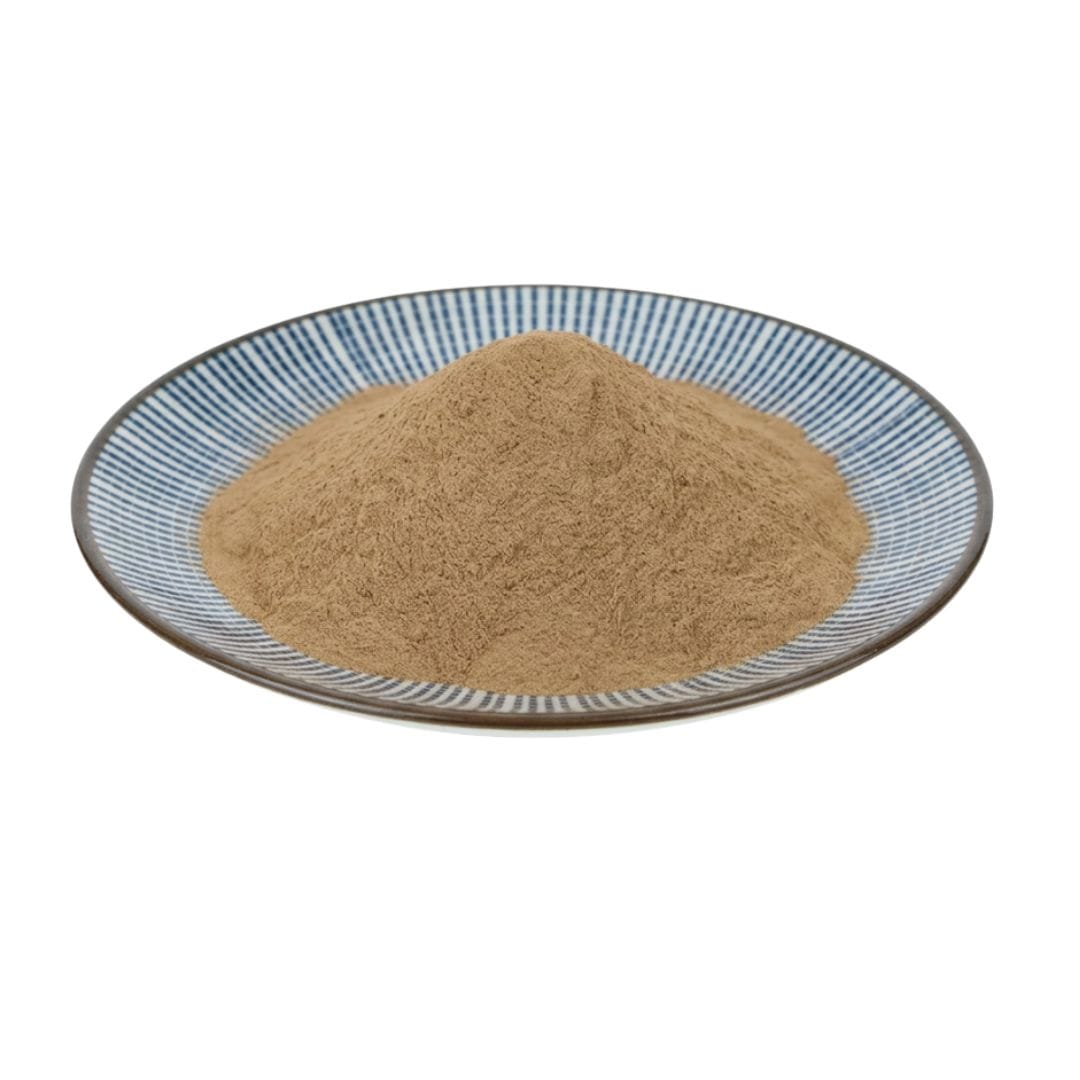
| Appearance | Fine off-white to light yellow powder |
| Odor | Characteristic, slightly pungent |
| Taste | Tingling, numbing sensation |
| Spilanthol Content | ≥0.4% – 1.0% (standardized grades) |
| Particle Size | ≥95% through 80 mesh |
| Moisture Content | ≤5.0% |
| Ash Content | ≤5.0% |
| Solubility | Partially water-soluble; soluble in ethanol, propylene glycol, and oils |
| Extraction Ratio | Common grades: 4:1, 10:1, 20:1 |
| Molecular Weight of Spilanthol | 221.34 g/mol |
| CAS Number (Spilanthol) | 25394-57-4 |
Solubility and Formulation Compatibility
Acmella oleracea extract exhibits moderate aqueous solubility, with the alkylamide fraction being inherently lipophilic. Key formulation considerations include:
- Water-based systems: Hydro-dispersible powder grades or pre-solubilized solutions (with co-solvents such as glycerin or propylene glycol) are recommended for aqueous formulations.
- Oil-based and anhydrous systems: The oleoresin or oil-soluble extract forms provide excellent compatibility with lipid phases, emollient carriers, and facial oils.
- Emulsions: Standard O/W and W/O emulsions can incorporate Acmella oleracea extract into the aqueous or lipid phase depending on the extract grade. Mild agitation during dispersion is recommended.
- pH Compatibility: The extract is stable across a pH range of approximately 4.0–7.5, making it compatible with most topical and oral care formulations.
- Temperature Sensitivity: To preserve spilanthol integrity, processing temperatures should be kept below 40°C where possible. Avoid prolonged exposure to temperatures above 60°C.
Functional Benefits and Applications
1. Cosmetic and Skincare Applications
Acmella oleracea extract has earned the designation of a "natural Botox alternative" in the cosmetics industry — a positioning driven by research suggesting that spilanthol may modulate muscle contraction at a neuromuscular level through transient receptor potential (TRP) channel activity and acetylcholine inhibition pathways.
Primary cosmetic benefits include:
- Anti-wrinkle and skin-firming: Spilanthol is believed to relax facial muscle tension and reduce the appearance of expression lines, making it a sought-after active in eye creams, serums, and anti-aging moisturizers.
- Skin radiance and luminosity: The extract's antioxidant components help neutralize free radicals and support an even skin tone.
- Anti-inflammatory skin soothing: Quercetin and other flavonoids help calm reactive skin and reduce redness.
- Collagen support: Some research suggests synergistic effects with collagen-stimulating ingredients in anti-aging formulations.
Typical use levels in cosmetics: 0.1% – 2.0% (active spilanthol basis)
Common cosmetic product types:
- Anti-aging serums and ampoules
- Eye contour creams
- Lip plumping glosses and balms
- Facial lifting masks
- Premium moisturizers and emulsions
2. Oral Care Applications
The traditional toothache-relieving use of Acmella oleracea directly translates into modern oral care formulations. Spilanthol's analgesic and mild anesthetic properties make it a natural-origin alternative or complement to synthetic oral numbing agents.
Oral care applications include:
- Toothpastes with gum-soothing claims
- Mouthwashes and oral rinses
- Teething gels and gum care products
- Breath-freshening products with functional actives
- Dental varnishes and professional oral care products
3. Nutraceutical and Dietary Supplement Applications
As a botanical extract with documented ethnobotanical use and a growing body of scientific literature supporting its anti-inflammatory and immunomodulatory properties, Acmella oleracea extract is increasingly incorporated into:
- Immune support supplements
- Anti-inflammatory botanical formulas
- Adaptogenic and stress-response blends
- Joint health and comfort supplements
- Functional food and beverage ingredients
Available supplement formats: Capsules, tablets, soft gels, powder blends, liquid drops
4. Functional Food and Flavor Applications
The distinctive sensory profile of Acmella oleracea — its ability to induce tingling and salivation — has attracted interest from food technologists and flavor developers. It is used in:
- Artisan culinary ingredients ("electric daisy" in molecular gastronomy)
- Salivation-enhancing functional foods
- Specialty beverage formulations
Stability and Storage Recommendations
To maintain the potency and quality of Acmella oleracea extract throughout its shelf life, the following storage conditions are recommended:
- Storage Temperature: Store in a cool, dry place at 2–8°C (refrigerated) or below 25°C for standard warehouse conditions
- Humidity: Relative humidity below 60%
- Light Exposure: Store away from direct sunlight and UV exposure; use opaque or UV-protective containers
- Container Type: Sealed in double-layer polyethylene bags within a fiber drum or aluminum foil bag
- Shelf Life: Typically 24 months from the date of manufacture when stored under recommended conditions
- Handling: Avoid moisture contamination during dispensing; reseal packaging promptly after use
Packaging and Supply Specifications
Extract Makers offers Acmella oleracea extract in flexible packaging configurations to meet the needs of formulators, brand owners, and wholesale buyers at all scales:
| Package Type | Net Weight |
|---|---|
| Aluminum foil bag (inner PE) | 1 kg, 5 kg |
| Fiber drum with double PE liner | 10 kg, 25 kg |
| Custom packaging | Available on request |
Minimum Order Quantity (MOQ): Available from sample quantities to full commercial volumes. Please contact our sales team for MOQ details and bulk pricing.
Lead Time: Standard production lead times apply; expedited orders may be accommodated based on stock availability.
Available Grades and Specifications
Extract Makers maintains a portfolio of Acmella oleracea extract grades to accommodate a wide range of formulation and application requirements:
| Grade | Spilanthol Content | Extraction Ratio | Recommended Application |
|---|---|---|---|
| Standard Powder Extract | ≥0.4% | 4:1 | Nutraceuticals, general cosmetics |
| Standardized Powder Extract | ≥1.0% | 10:1 | Premium skincare, anti-aging serums |
| High-Potency Extract | ≥2.0% | 20:1 | Specialized cosmetic actives |
| CO₂ Oleoresin | Custom assay | — | Lipid-phase cosmetics, flavor |
| Water-Soluble Grade | ≥0.5% | 10:1 | Aqueous cosmetics, oral care |
Custom extraction ratios and spilanthol standardization levels are available upon request for OEM and private label customers.
Quality Standards and Certifications
Extract Makers operates under a rigorous quality management framework aligned with internationally recognized standards. Our Acmella oleracea extract is produced and tested in compliance with:
- ISO 9001 – Quality Management System
- HACCP – Food Safety Management
- Kosher and Halal – Available upon request
- Heavy Metals Compliance – Meets USP, EP, and relevant pharmacopeial limits
- Pesticide Residue – Tested to EU MRL standards
- Non-GMO – Raw materials sourced from non-genetically modified plant varieties
All products are accompanied by comprehensive documentation including Certificate of Analysis (CoA), Material Safety Data Sheet (MSDS/SDS), and technical data sheets to support regulatory submissions in major markets including the US, EU, and Asia-Pacific regions.
Why Source Acmella Oleracea Extract from Extract Makers?
Extract Makers is a professional manufacturer and supplier of premium botanical extracts, plant-derived actives, and nutraceutical ingredients. With years of experience serving global markets across cosmetics, dietary supplements, functional foods, and oral care, we bring both technical expertise and supply chain reliability to every customer partnership.
Key advantages of working with Extract Makers:
- ✅ Consistent Standardization: Every batch is HPLC-verified for spilanthol content, ensuring predictable performance in your formulations
- ✅ Traceable Raw Materials: Full botanical traceability from field to finished extract
- ✅ Flexible Specifications: Custom extraction ratios, particle sizes, and carrier options available
- ✅ Regulatory Support: Complete documentation packages for global market registration
- ✅ Competitive Bulk Pricing: Factory-direct pricing with volume discounts for distributors and brand manufacturers
- ✅ Responsive Technical Support: Our team of formulation and regulatory experts is available to assist with application development
- ✅ Global Export Experience: Proven track record supplying customers across North America, Europe, the Middle East, and Asia
Frequently Asked Questions (FAQ)
Q: What is Acmella oleracea extract used for in cosmetics?
A: It is primarily used as a natural anti-wrinkle and skin-firming active. Spilanthol, its key bioactive compound, is associated with temporary muscle-relaxing effects on facial expression lines, making it a popular natural alternative to synthetic peptides in premium anti-aging products.
Q: Is Acmella oleracea extract safe for use in skincare products?
A: Acmella oleracea extract has a well-established safety profile when used at recommended concentrations (typically 0.1–2.0% in cosmetic formulations). Formulators should refer to current safety assessments and comply with applicable regional cosmetic regulations.
Q: What is the difference between spilanthol and Acmella oleracea extract?
A: Spilanthol is a single purified compound (an alkylamide) isolated from Acmella oleracea, while Acmella oleracea extract is the whole botanical extract containing spilanthol alongside a spectrum of other phytochemicals. Whole extracts often provide broader functional activity due to the synergistic matrix of compounds.
Q: Can Acmella oleracea extract be used in water-based formulations?
A: Yes. Water-soluble and hydro-dispersible grades are available, allowing incorporation into aqueous serums, toners, and oral rinses without the need for oil-based carriers.
Q: How do I request a sample or quotation?
A: Contact our team directly at [email protected] to request product samples, technical documentation, or a customized quotation based on your volume requirements and specification needs.
Contact Extract Makers
For product inquiries, technical support, bulk pricing, or custom specification requests, please reach out to our dedicated sales and technical team:
📧 Email: [email protected]
We welcome inquiries from manufacturers, brand developers, private label companies, distributors, and research institutions worldwide. Our team is committed to providing fast response times, detailed technical assistance, and competitive commercial terms to support your product development and sourcing objectives.