Overview: Understanding Berberine Extract
Berberine extract is a naturally occurring bioactive alkaloid derived primarily from the roots, rhizomes, stems, and bark of several medicinal plants. Among the most widely recognized sources are Berberis aristata (Indian barberry), Berberis vulgaris (common barberry), Coptis chinensis (goldthread), and Phellodendron amurense (Amur cork tree). These botanical species have been central to traditional medicine systems in Asia and South Asia for centuries, lending berberine a well-established historical context alongside its growing relevance in modern nutraceutical science.
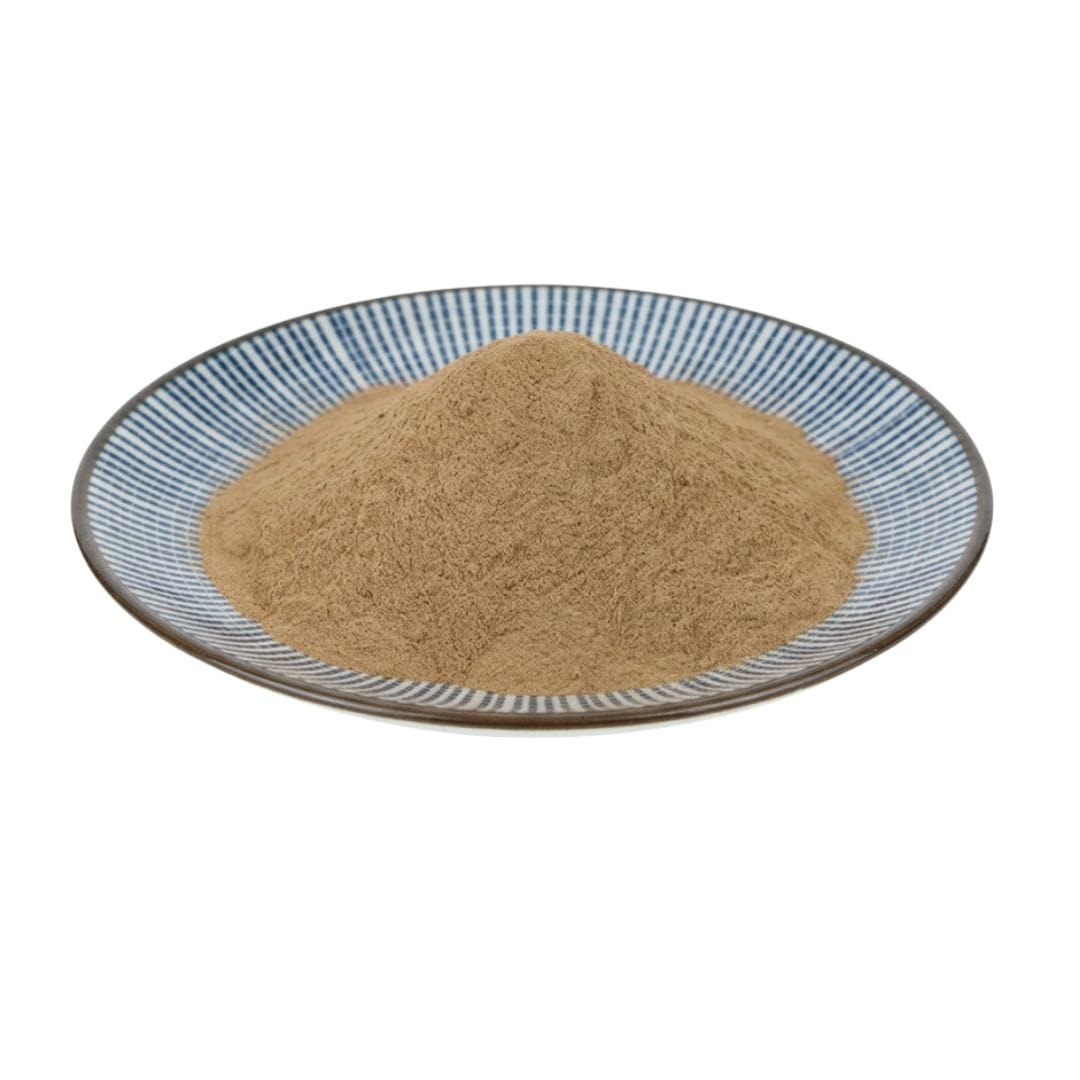
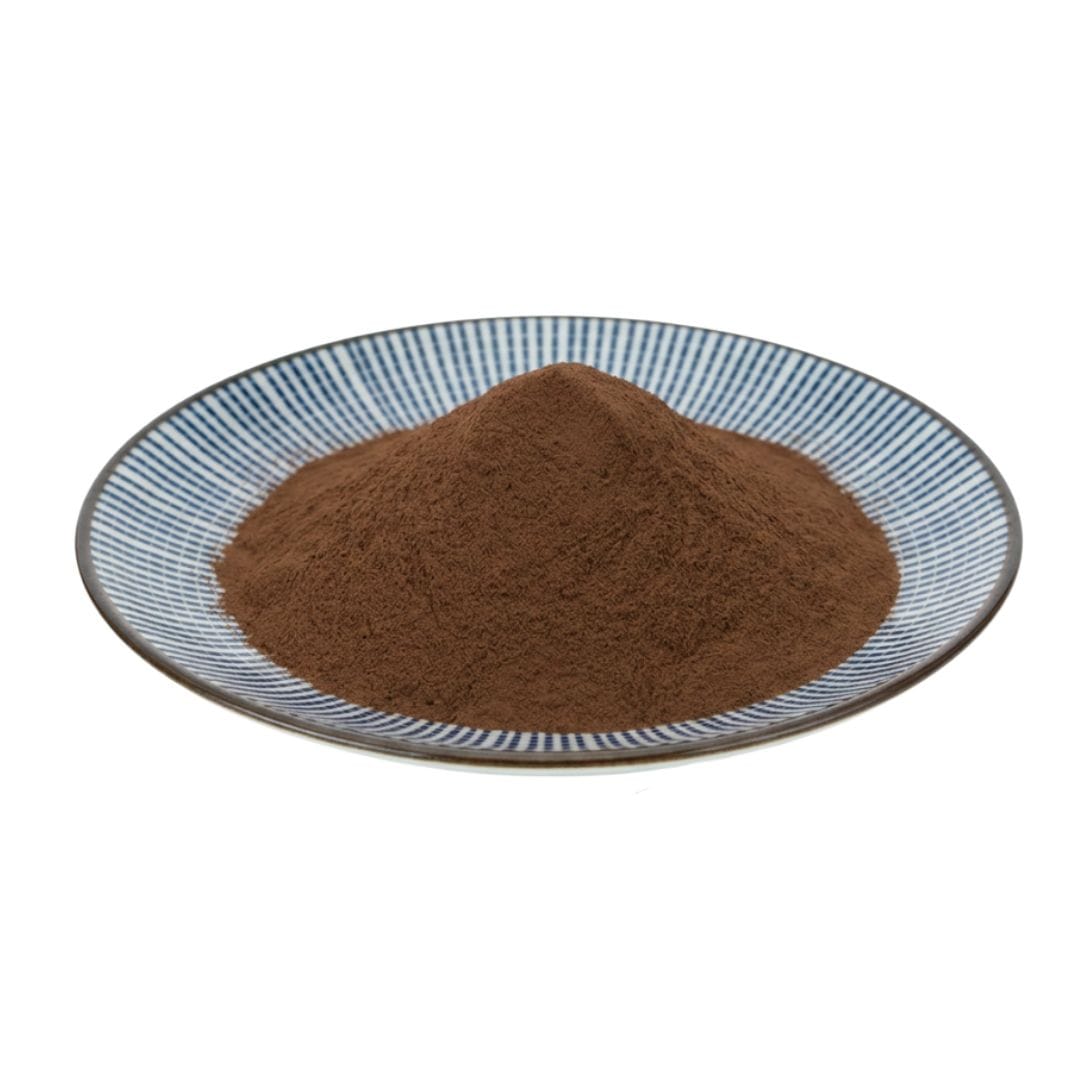
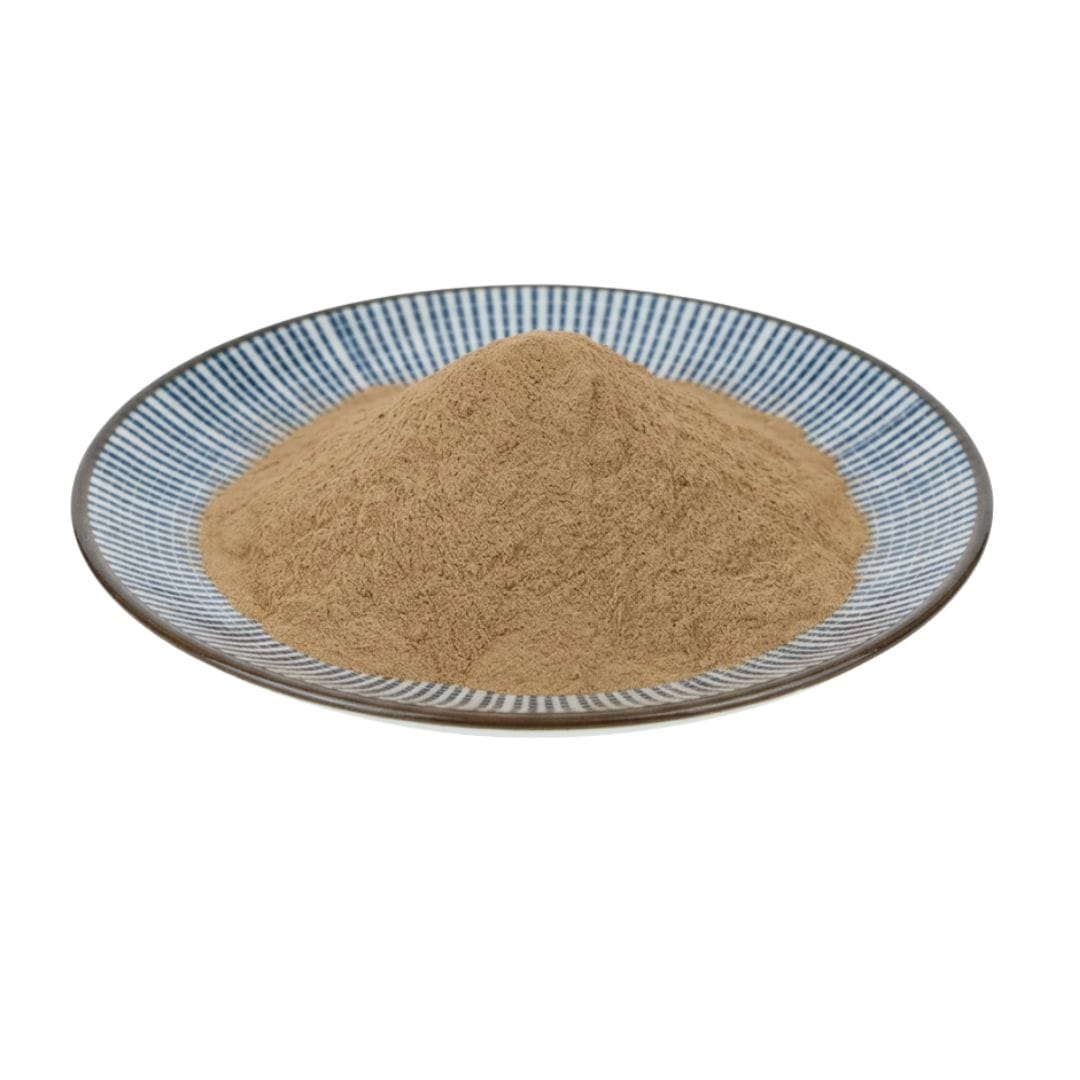
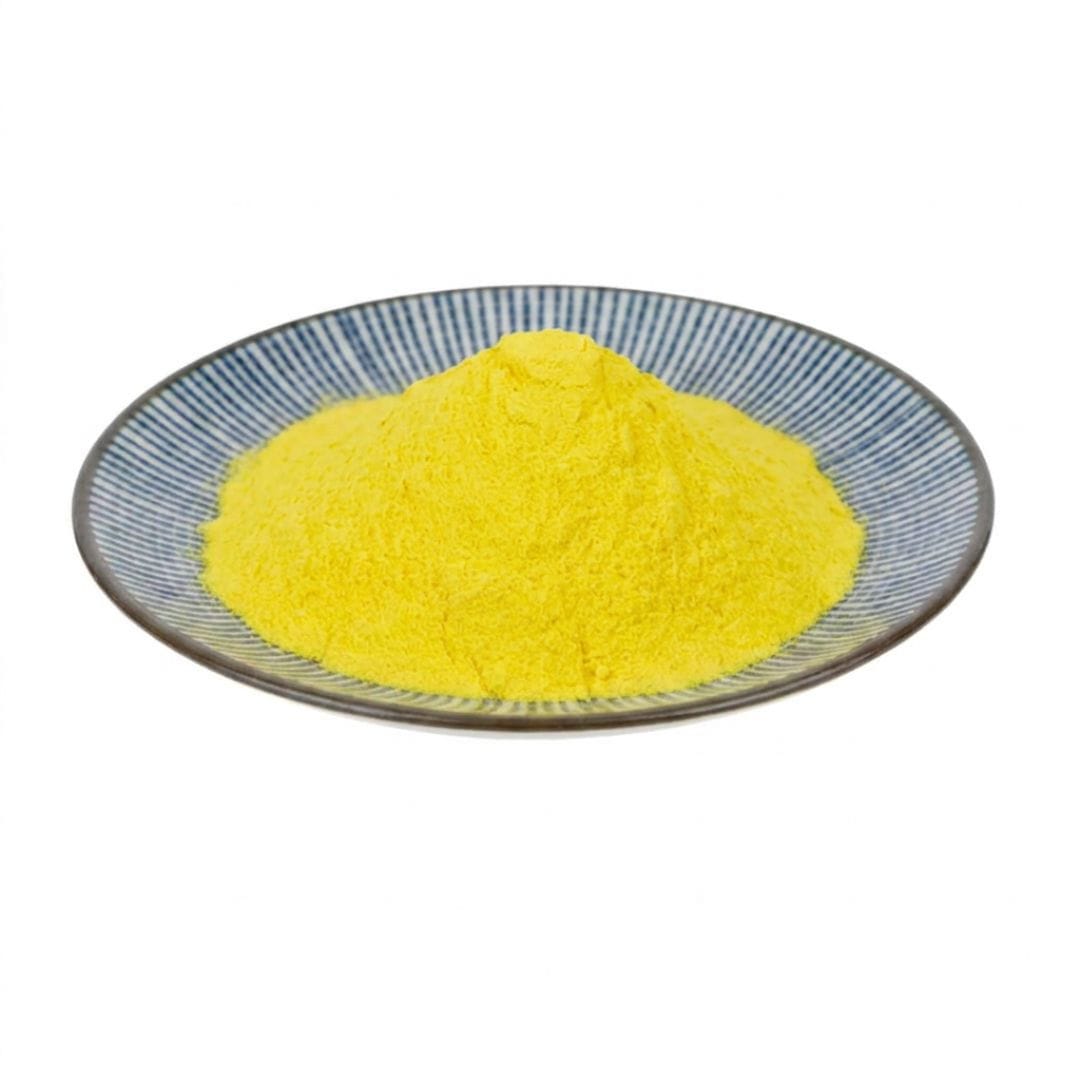
In commercial applications, berberine is most commonly supplied in its hydrochloride salt form — Berberine HCl — due to its superior stability, consistent purity, and reliable bioavailability compared to other salt forms. It presents as a bright yellow to yellow-green crystalline powder with a characteristic bitter taste, making it immediately recognizable in quality control and laboratory settings.
As global demand for evidence-backed botanical ingredients continues to grow, berberine extract has emerged as one of the most sought-after active compounds in the dietary supplement, functional food, and pharmaceutical raw material markets.
Botanical Source and Raw Material Origin
The quality of berberine extract begins at the source. Extract Makers sources botanical raw materials from carefully selected cultivation regions in China, India, and Southeast Asia, where the climate and soil conditions naturally support high alkaloid content in the plant matrix. Coptis chinensis and Phellodendron amurense are among the primary species used in large-scale commercial extraction, both recognized for their consistently high berberine concentration.
Sustainable and traceable sourcing is a fundamental part of responsible raw material procurement. Each incoming batch of botanical material undergoes identity verification, pesticide residue screening, and heavy metal testing before entering the extraction process — ensuring that the quality of the finished berberine extract is not compromised at the raw material stage.
Extraction and Manufacturing Process
The production of high-purity Berberine HCl involves a multi-stage extraction and purification process designed to maximize active compound recovery while eliminating impurities and co-extracted plant constituents.
Key Production Steps
- Maceration and Solvent Extraction: Dried and ground plant material is subjected to solvent-assisted extraction using water-ethanol systems or acidic aqueous solutions to efficiently solubilize berberine alkaloids from the plant matrix.
- Filtration and Clarification: The crude extract is filtered to remove plant fiber, resins, and insoluble material, producing a clarified liquid extract.
- Precipitation and Salt Formation: Berberine is selectively precipitated and converted into its hydrochloride salt form through controlled acidification, yielding Berberine HCl with defined crystalline characteristics.
- Purification: Multiple rounds of recrystallization or column chromatography are employed to achieve the target purity specification, commonly ≥97% or ≥98% by HPLC.
- Drying and Milling: The purified crystalline product is carefully dried under controlled temperature conditions and milled to a consistent particle size to meet downstream formulation requirements.
- Quality Testing and Release: Each production batch undergoes comprehensive analytical testing before release, including HPLC purity assay, moisture content, heavy metals, microbiological limits, and residual solvent analysis.
This rigorous manufacturing process reflects Extract Makers' commitment to producing berberine extract that meets the highest quality expectations of international supplement brands, pharmaceutical manufacturers, and specialty chemical distributors.
Product Specifications and Physical Properties
| Parameter | Specification |
|---|---|
| Product Name | Berberine Extract / Berberine HCl |
| Botanical Source | Coptis chinensis, Berberis aristata, Phellodendron amurense |
| CAS Number | 633-65-8 (Berberine HCl) |
| Molecular Formula | C₂₀H₁₈NO₄⁺ · Cl⁻ |
| Molecular Weight | 371.81 g/mol |
| Appearance | Bright yellow to yellow-green crystalline powder |
| Assay (HPLC) | ≥97.0% / ≥98.0% (customizable) |
| Odor | Characteristic, slight |
| Taste | Bitter |
| Solubility | Slightly soluble in cold water; more soluble in hot water and dilute acids |
| Loss on Drying | ≤5.0% |
| Heavy Metals | ≤10 ppm |
| Arsenic | ≤1 ppm |
| Residual Solvents | Meets ICH Q3C guidelines |
| Mesh Size | 80 mesh (standard); customizable |
| Shelf Life | 24 months when stored properly |
Active Compound: Berberine Alkaloid
The principal active constituent of berberine extract is the isoquinoline alkaloid berberine, a quaternary ammonium compound characterized by its distinctive planar ring structure and strong yellow chromophore. This structural feature not only gives the compound its characteristic color but is also closely associated with its biological activity profile.
Berberine's mechanism of action has been studied extensively in academic and clinical research settings. It is known to interact with multiple cellular targets, including AMP-activated protein kinase (AMPK), which plays a central role in cellular energy metabolism. This mechanistic profile has contributed to growing scientific interest in berberine as a functional ingredient in metabolic health formulations.
Solubility and Stability Considerations
Understanding the solubility and stability profile of Berberine HCl is essential for formulators developing finished products across different delivery formats.
- Solubility: Berberine HCl is slightly soluble in cold water (approximately 1:500) but exhibits increased solubility in hot water, dilute hydrochloric acid, and acetic acid solutions. It is practically insoluble in ether and chloroform. This solubility profile makes it more suitable for solid dosage forms such as capsules, tablets, and hard-shell gelatin capsules than for clear aqueous liquid formulations.
- Stability: Berberine HCl demonstrates good thermal stability under normal storage conditions. However, prolonged exposure to direct light can cause gradual color changes due to photodegradation. Formulations should be designed with light-protective packaging when applicable.
- pH Sensitivity: The compound is relatively stable across a moderate pH range but may be affected by highly alkaline conditions. Formulators should evaluate compatibility with excipients during product development.
Health and Functional Benefits
Berberine extract has attracted significant scientific attention due to its broad functional activity, supported by a substantial and growing body of research literature. The following functional areas are among the most widely studied and commercially relevant:
Blood Sugar and Metabolic Support
Berberine has been the subject of numerous studies examining its role in supporting healthy glucose metabolism and insulin sensitivity. Its interaction with AMPK pathways positions it as a compelling ingredient for metabolic health and weight management formulations.
Cardiovascular Health
Research has explored berberine's potential to support healthy lipid profiles, including effects on LDL cholesterol, triglycerides, and total cholesterol levels. These properties have made it a popular ingredient in heart health supplement lines.
Gut Health and Antimicrobial Activity
Berberine has a well-documented history of use in supporting gastrointestinal health. Its broad-spectrum antimicrobial activity against certain bacteria, fungi, and protozoa has been studied in both traditional medicine contexts and modern research settings.
Anti-Inflammatory Properties
Scientific literature suggests that berberine may modulate certain inflammatory pathways, contributing to its potential utility in formulations targeting general wellness and immune support.
Cognitive and Neuroprotective Interest
Emerging research has begun to explore berberine's potential role in supporting brain health and cognitive function, opening new application possibilities for nootropic and aging-focused supplement categories.
Important Notice: The functional information provided above is intended for ingredient sourcing and formulation reference purposes only. It does not constitute medical claims or regulatory-approved health claims. Finished product labels must comply with applicable regulations in your target market.
Industry Applications
Berberine HCl is a versatile active ingredient with established and emerging applications across multiple industries:
- Dietary Supplements: Capsules, tablets, softgels, powders, and stick packs targeting metabolic health, cardiovascular support, blood sugar balance, and gut health
- Nutraceutical Formulations: Functional food and beverage ingredients where regulatory frameworks permit the inclusion of botanical actives
- Traditional Herbal Medicine Products: Standardized extracts for use in traditional Chinese medicine (TCM), Ayurvedic, and integrative medicine formulations
- Pharmaceutical Raw Materials: API-grade berberine for use in pharmaceutical manufacturing where specific purity and quality documentation is required
- Cosmetic and Personal Care: Emerging applications in topical formulations leveraging berberine's antimicrobial and anti-inflammatory properties
- Veterinary Nutrition: Growing interest in berberine-based formulations for companion animal and livestock health products
Quality Standards and Testing
Extract Makers operates under a comprehensive quality management framework aligned with international standards for botanical ingredient manufacturing. Quality assurance is embedded at every stage of the production process — from incoming raw material inspection through to final product release and batch documentation.
Standard Testing Parameters
- Identity Verification: TLC and HPLC-based confirmation of berberine alkaloid identity
- Purity Assay: HPLC quantification to verify active content against specification
- Heavy Metal Analysis: ICP-MS testing for lead, arsenic, mercury, and cadmium
- Pesticide Residue Screening: Comprehensive multi-residue panel in compliance with EU and US standards
- Microbiological Testing: Total aerobic count, yeast and mold, E. coli, Salmonella, and Staphylococcus aureus
- Residual Solvent Analysis: Compliance with ICH Q3C limits
- Moisture and Loss on Drying
- Particle Size Distribution
Full batch documentation, including Certificate of Analysis (CoA), Material Safety Data Sheet (MSDS/SDS), and supporting technical documents, is provided with every shipment. Third-party testing verification is available upon request.
Certifications and Compliance
Extract Makers maintains production certifications and quality documentation that support international trade and regulatory compliance across key global markets. Documentation packages are available to support customers' regulatory submissions, product registrations, and private label development processes.
Customers operating in markets governed by FDA (US), EFSA (EU), Health Canada, or TGA (Australia) regulations are encouraged to contact our technical team to discuss specific documentation requirements for their target market.
Packaging and Storage
Standard Packaging Options
- 1 kg aluminum foil bags (for sample and small-volume orders)
- 25 kg fiber drums with double polyethylene inner liner (standard commercial packaging)
- Custom packaging configurations available upon request for OEM and private label customers
Storage Recommendations
Store in a cool, dry, well-ventilated area away from direct sunlight and incompatible materials. Recommended storage temperature: below 25°C. Keep containers tightly sealed when not in use. Under proper storage conditions, shelf life is 24 months from the date of manufacture.
Why Source Berberine Extract from Extract Makers?
Selecting the right ingredient supplier is a critical decision that directly impacts your product quality, regulatory compliance, and brand reputation. Extract Makers has built a track record of delivering high-purity botanical extracts to supplement brands, pharmaceutical companies, contract manufacturers, and distributors across North America, Europe, Asia, and beyond.
Key advantages of partnering with Extract Makers:
- Consistent high-purity specification: ≥97% or ≥98% Berberine HCl by HPLC, with batch-to-batch reproducibility
- Transparent supply chain: Fully traceable from botanical raw material to finished extract
- Comprehensive quality documentation: CoA, MSDS, TDS, and third-party lab reports available
- Flexible order quantities: Sample quantities to full commercial volumes supported
- Responsive technical support: Formulation guidance and regulatory documentation assistance
- Competitive pricing for bulk orders: Volume-tiered pricing for importers, distributors, and brand manufacturers
- Reliable international logistics: Experienced in export documentation and international shipping compliance
Request a Sample or Bulk Quote
If you are a supplement brand, contract manufacturer, distributor, or importer looking to source pharmaceutical-grade or nutraceutical-grade Berberine HCl in bulk, our team is ready to support your procurement needs.
Contact Extract Makers today:
📧 Email: [email protected]
Whether you need a technical data sheet, a product sample for evaluation, a Certificate of Analysis, or a competitive bulk pricing quotation, our team is committed to responding promptly and professionally to support your business requirements.