What Is Asparagus Extract?
Asparagus extract is a concentrated botanical ingredient derived from Asparagus officinalis L., a widely cultivated perennial plant valued for both its culinary significance and its growing presence in the nutraceutical and functional ingredient industries. The extract is produced by isolating and concentrating the biologically active compounds naturally occurring in asparagus, making them more bioavailable and suitable for use across a range of health supplement, food, and cosmetic formulations.
As consumer demand for plant-based, clean-label ingredients continues to rise globally, asparagus extract has gained increasing attention among supplement manufacturers, functional food developers, and cosmetic formulators seeking natural, evidence-supported alternatives to synthetic additives.
Botanical Source and Raw Material Origin
Asparagus extract is sourced primarily from Asparagus officinalis, a species native to the Mediterranean region and widely cultivated across Europe, North America, and Asia. China, in particular, has become one of the world's leading producers of asparagus raw material, supplying high-quality plant biomass to extraction facilities that serve both domestic and international markets.
The primary plant parts used in extraction include the root, stem, and aerial portions of the plant, each yielding different active compound profiles depending on the target application. Root extracts tend to be richer in steroidal saponins and polysaccharides, while shoot and stem extracts may be standardized for flavonoid or rutin content.
Responsible sourcing practices — including traceability from cultivation to finished extract — are a key quality consideration for B2B buyers seeking reliable, consistent raw material supplies.
Extraction and Manufacturing Process
Producing high-quality asparagus extract requires a carefully controlled manufacturing process designed to preserve the integrity of active compounds while removing unwanted plant matter. At Extract Makers, the production workflow typically follows these core stages:
1. Raw Material Selection and Preprocessing
Incoming asparagus biomass is carefully selected, cleaned, and dried to a controlled moisture level. Quality inspection at this stage ensures freedom from pesticide residues, heavy metals, and microbial contamination that could compromise the final extract.
2. Solvent Extraction
Depending on the target active compounds and end-use application, extraction may be carried out using water, ethanol, or a combination of solvents. Water-based extraction is commonly used for polysaccharide-rich fractions, while ethanol extraction is preferred for flavonoids and saponin concentration.
3. Filtration and Concentration
Following extraction, the crude liquid is filtered to remove plant debris and then concentrated under reduced pressure to minimize thermal degradation of heat-sensitive compounds.
4. Spray Drying or Vacuum Drying
The concentrated extract is converted into a dry powder form through spray drying or vacuum drying, producing a free-flowing, water-dispersible powder with consistent particle size and moisture content.
5. Standardization and Quality Testing
Finished extracts are standardized to defined levels of key marker compounds — such as steroidal saponins, rutin, asparagine, or polysaccharides — and subjected to rigorous analytical testing before release.
Active Compounds and Phytochemical Profile
Asparagus extract contains a diverse array of bioactive constituents that contribute to its functional properties. Key phytochemicals include:
- Steroidal Saponins — including asparanin A, sarsasapogenin, and protodioscin; associated with adaptogenic and immune-modulating activity
- Flavonoids — particularly rutin and quercetin derivatives; known for antioxidant and anti-inflammatory properties
- Asparagine — a naturally occurring amino acid first isolated from asparagus; plays a role in metabolic function
- Polysaccharides — complex carbohydrates with prebiotic and immune-supportive potential
- Folic Acid (Vitamin B9) — naturally present in asparagus; relevant for nutritional supplement applications
- Vitamins and Minerals — including Vitamin K, Vitamin C, chromium, and potassium
The precise phytochemical profile and concentration of active compounds in the finished extract will vary based on the plant part used, the growing region, the harvest season, and the extraction methodology applied.
Physical and Chemical Characteristics
| Property | Typical Specification |
|---|---|
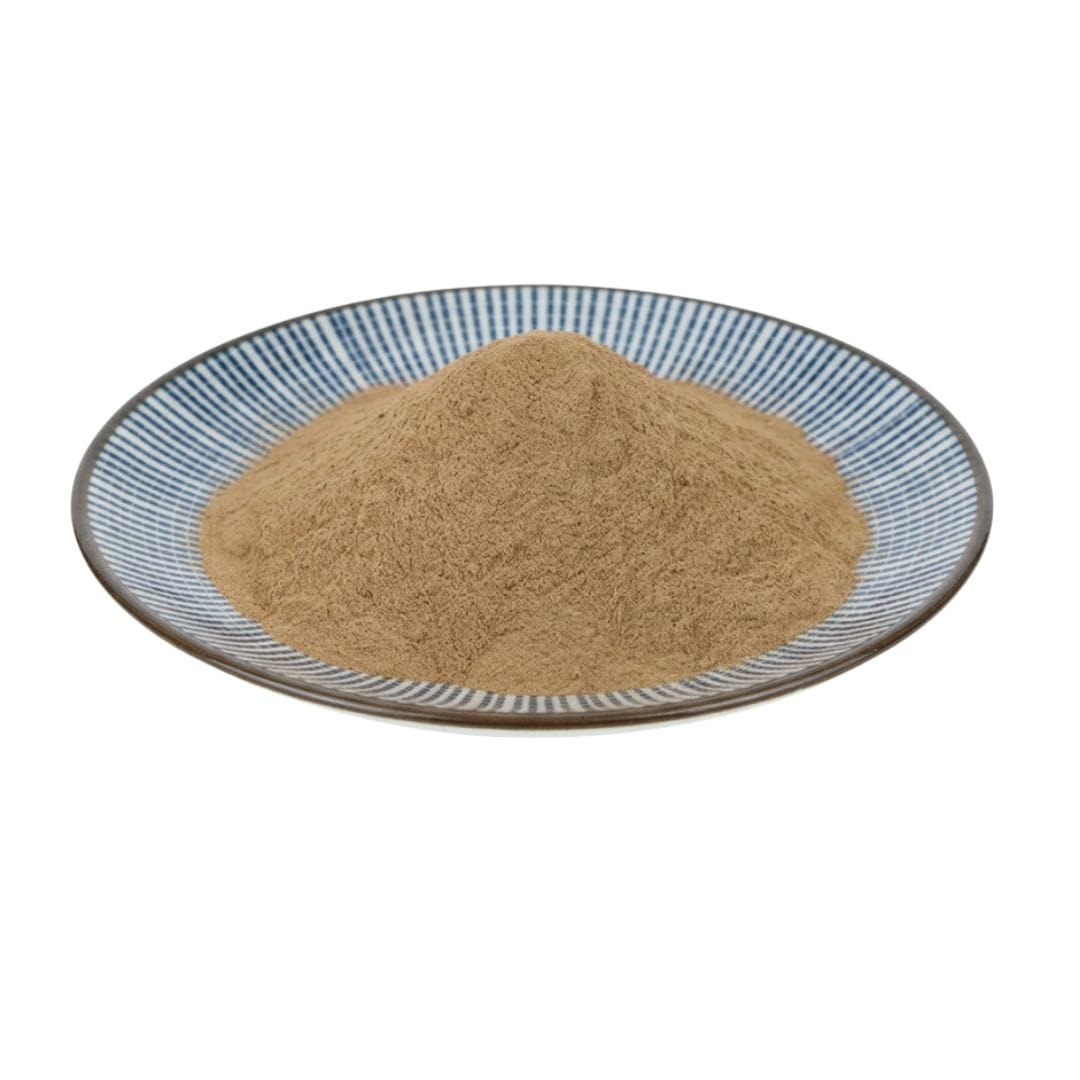
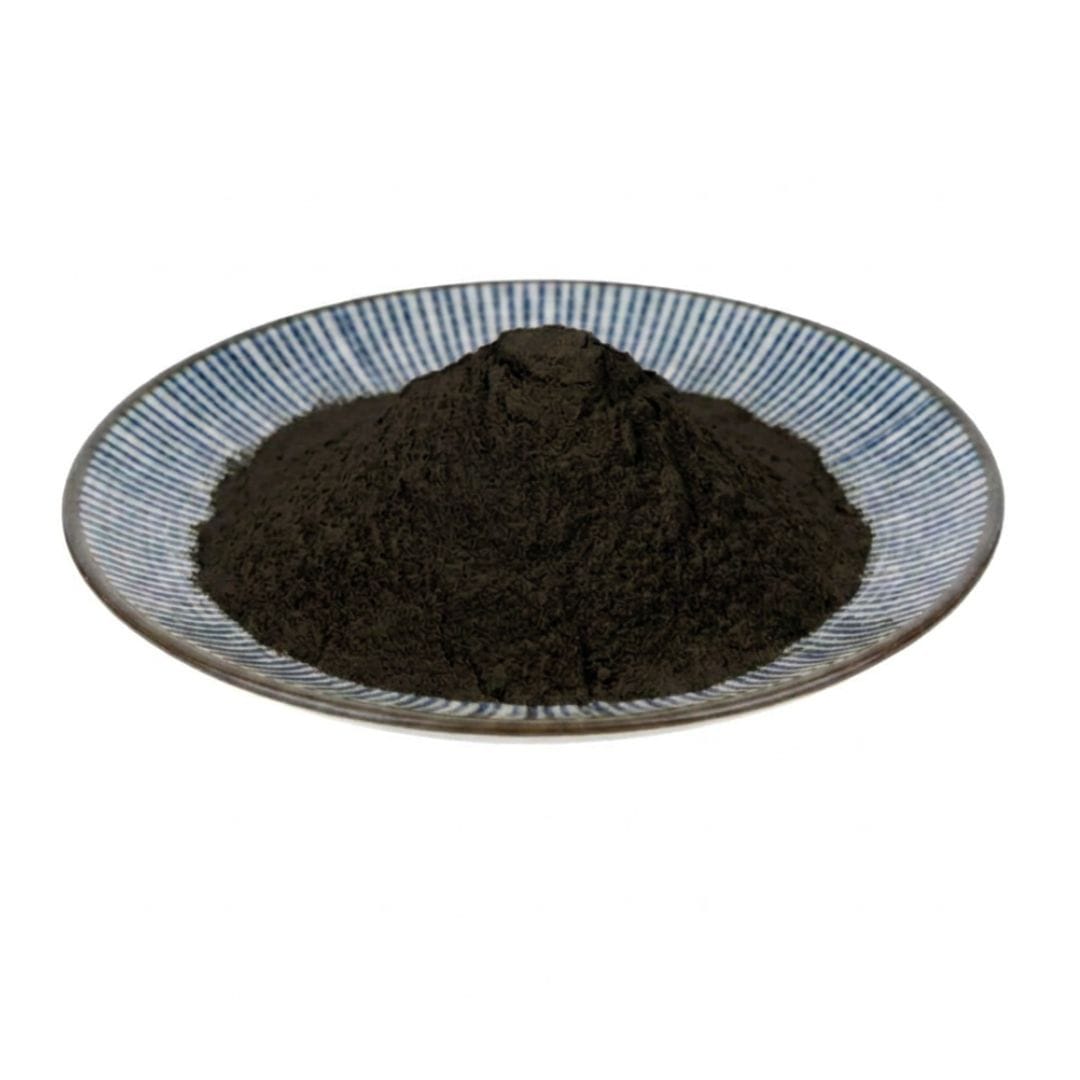
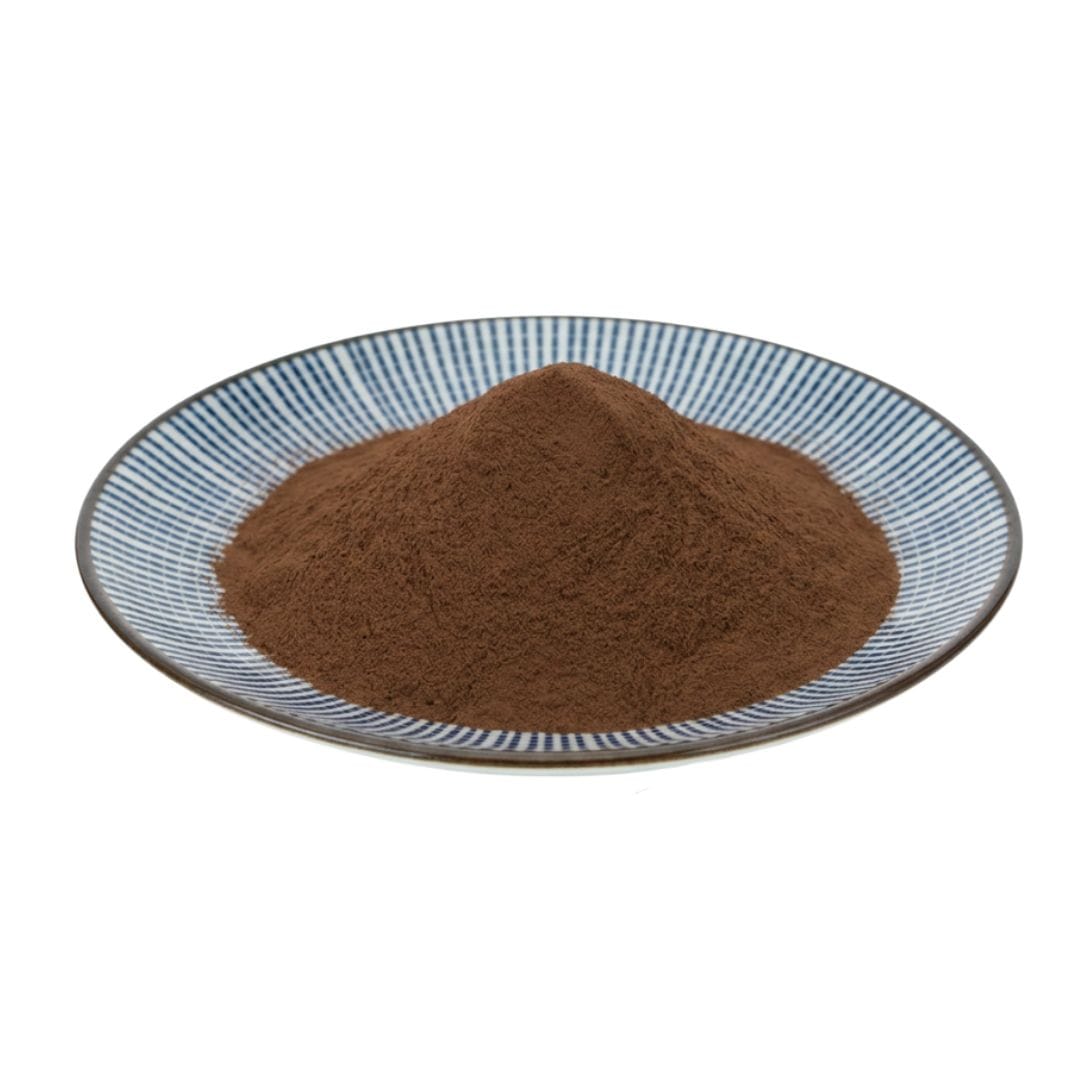
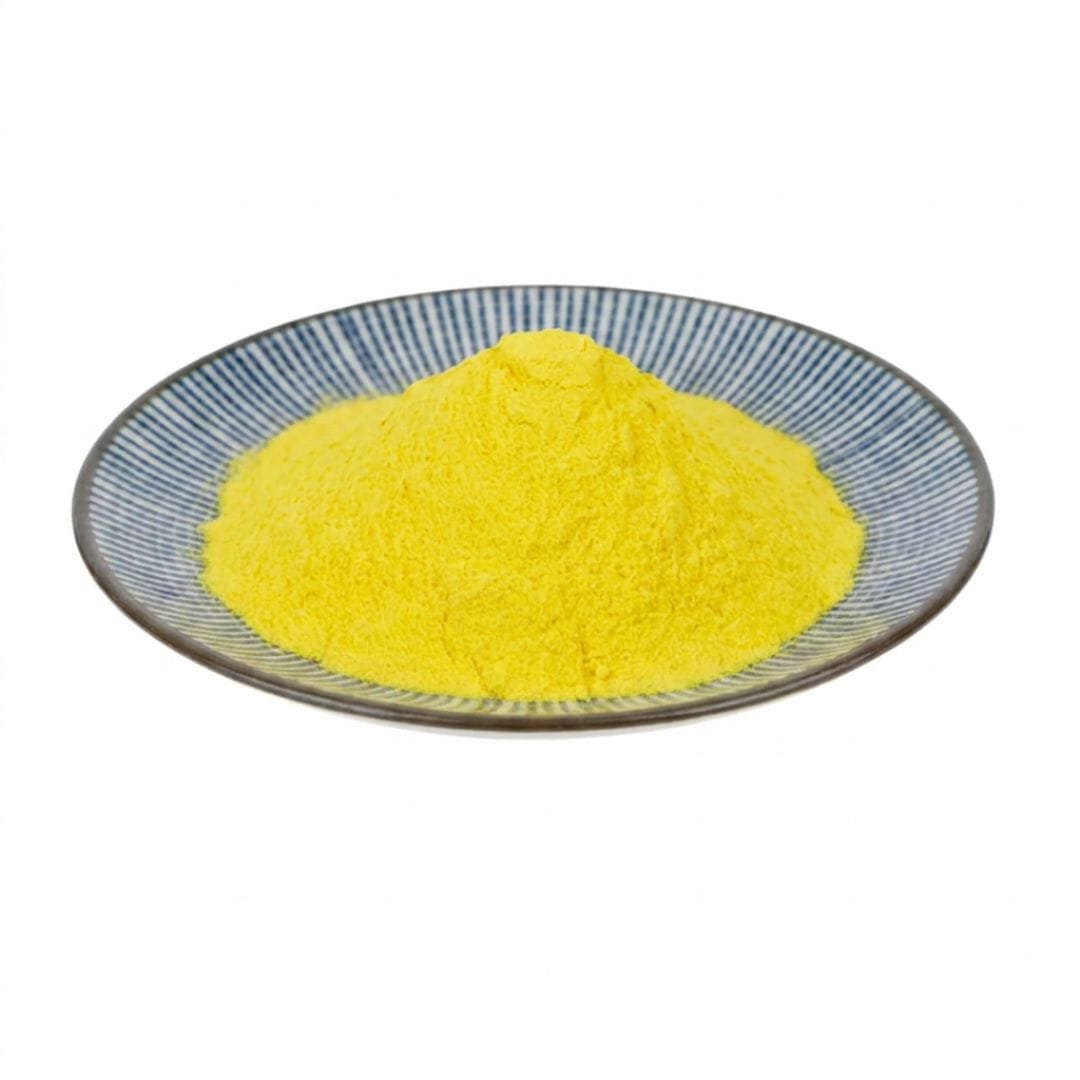
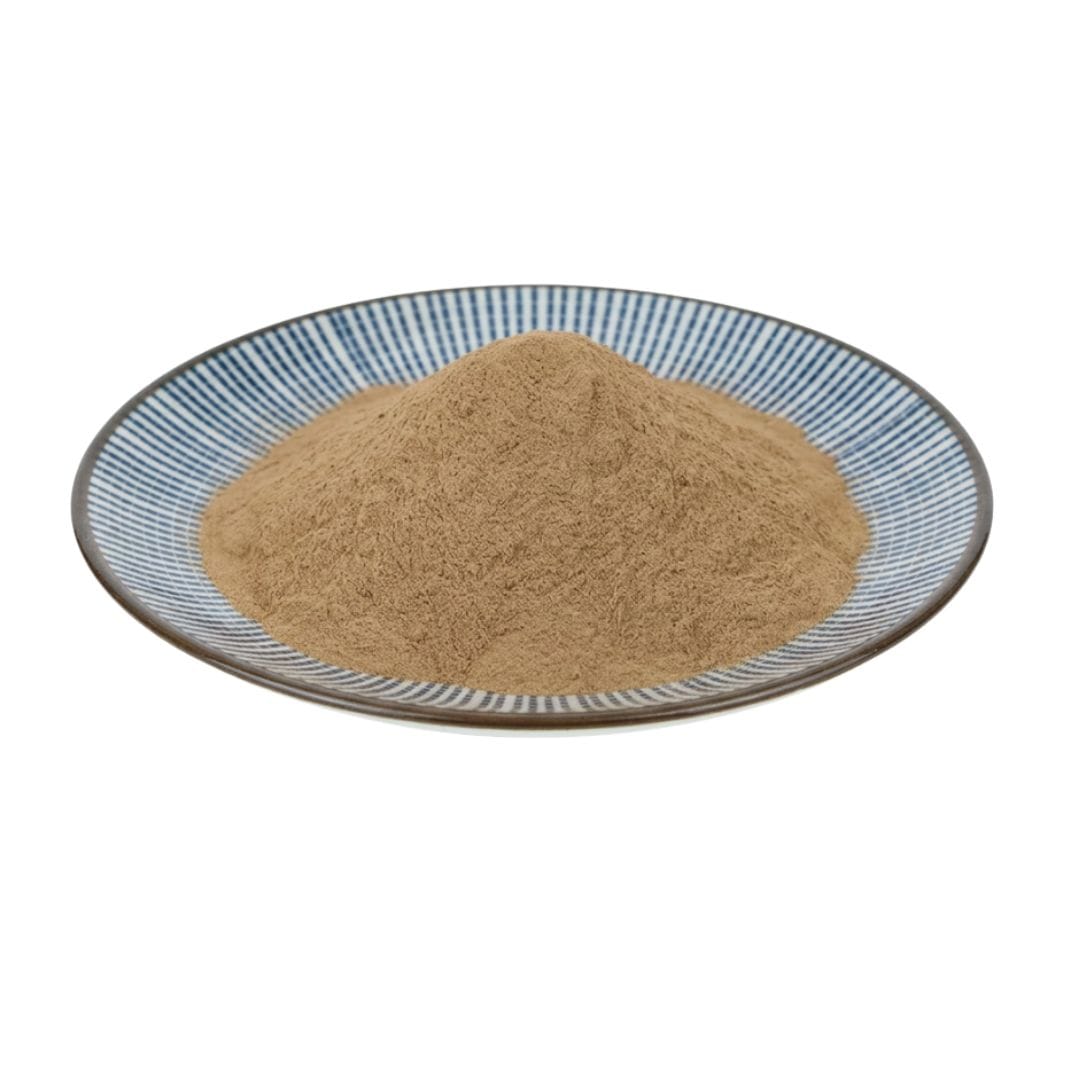
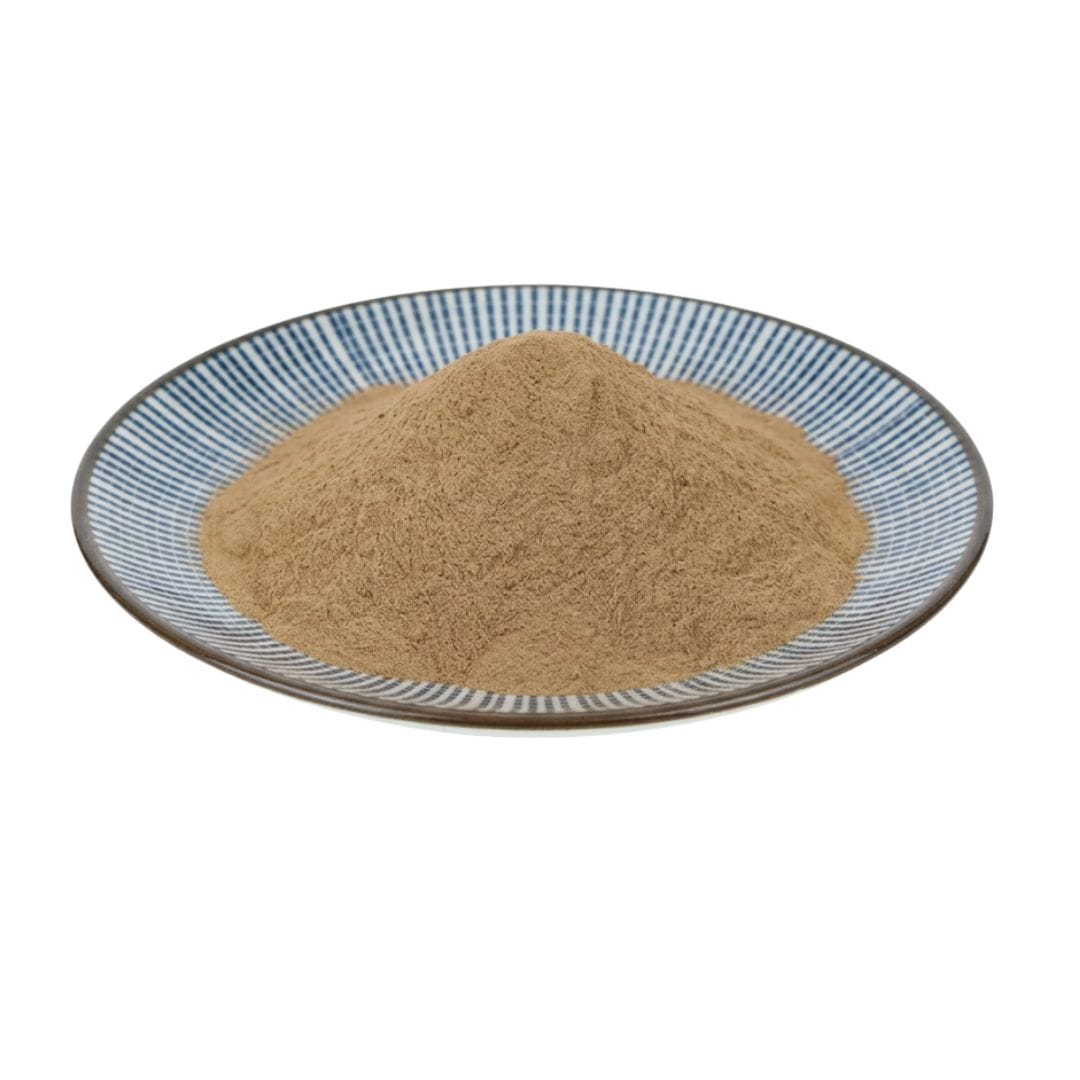
| Appearance | Light yellow to brown fine powder |
| Odor | Characteristic, slightly earthy |
| Solubility | Water-soluble; partially soluble in ethanol |
| Moisture Content | ≤ 5% |
| Ash Content | ≤ 5% |
| Particle Size | 80–100 mesh (standard) |
| Active Marker | Customizable (e.g., 10%–40% saponins by UV) |
| Heavy Metals | Compliant with USP/EP standards |
Note: Specifications may be adjusted based on customer requirements and application needs.
Solubility and Stability
Asparagus extract in its standard powdered form is primarily water-soluble, making it compatible with aqueous-based formulations including beverages, liquid supplements, and topical solutions. When formulated with ethanol or propylene glycol, solubility may be enhanced for specific cosmetic or functional food applications.
In terms of stability, asparagus extract should be protected from:
- Direct sunlight and UV exposure, which can degrade flavonoid and polyphenolic compounds
- High humidity environments, which increase the risk of caking and microbial growth
- Extreme temperatures, particularly during long-term storage
When stored under recommended conditions (cool, dry, sealed packaging away from light), asparagus extract typically maintains its quality and potency for 24 months from the date of manufacture.
Health Functions and Reported Benefits
Asparagus extract is incorporated into formulations targeting a range of health and wellness outcomes. The following functional areas are among the most commonly referenced in the industry and existing research literature:
Antioxidant Support
Rich in flavonoids and polyphenols, asparagus extract demonstrates significant free radical scavenging activity, making it a valuable ingredient in anti-aging supplements and oxidative stress formulations.
Liver and Kidney Health
Traditional use and preliminary research suggest that asparagus-derived compounds may support hepatic and renal function. Asparagus extract is frequently used in liver-support supplement formulations.
Diuretic and Detoxification Properties
Asparagus has been recognized as a natural diuretic, and its concentrated extract is used in formulations targeting fluid balance, detoxification support, and urinary tract health.
Immune System Modulation
The polysaccharide and saponin fractions of asparagus extract have been studied for their potential to modulate immune responses, making them relevant to immune health supplement development.
Adaptogenic Activity
Certain steroidal saponins found in asparagus extract, particularly those also present in related Asparagus racemosus (Shatavari), are associated with adaptogenic effects, stress resilience, and endocrine system support.
Skin Health and Cosmetic Applications
Due to its antioxidant, anti-inflammatory, and moisturizing potential, asparagus extract is used in cosmetic formulations targeting skin brightening, anti-aging, and barrier repair.
Industry Applications
Asparagus extract serves as a versatile functional ingredient across multiple industries:
Dietary Supplements and Nutraceuticals
Used in capsules, tablets, softgels, and powdered blends targeting liver support, detox, antioxidant protection, and general wellness.
Functional Foods and Beverages
Incorporated into health beverages, nutritional bars, and fortified food products as a natural botanical functional ingredient.
Cosmetics and Personal Care
Applied in serums, creams, and masks for antioxidant protection, skin tone improvement, and anti-aging formulations.
Traditional and Herbal Medicine Products
Utilized in TCM-based formulations and herbal product lines that draw on asparagus's established history in Asian traditional medicine.
Sports Nutrition
Included in recovery formulas and adaptogen blends targeting stress reduction, immune support, and metabolic health.
Formulation Compatibility
Asparagus extract is generally well-suited for incorporation into a wide variety of formulation matrices. It is compatible with:
- Standard encapsulation processes (hard-shell capsules, veggie caps)
- Tablet compression systems with appropriate excipients
- Spray-dried beverage powders and instant stick packs
- Water-based topical emulsions and serums
- Liquid dietary supplement formats
Formulators should conduct compatibility testing when combining asparagus extract with highly alkaline or strongly acidic systems, as extreme pH conditions may affect the stability of flavonoid and saponin fractions.
Quality Standards and Testing
Extract Makers operates under strict quality management systems to ensure that every batch of asparagus extract meets the specifications required by international B2B customers. Standard quality control procedures include:
- Identity testing via TLC (Thin Layer Chromatography) and HPLC fingerprinting
- Active compound quantification by HPLC or UV spectrophotometry
- Microbial testing for total plate count, yeast, mold, and pathogen screening
- Heavy metal analysis for lead, cadmium, arsenic, and mercury
- Pesticide residue screening per EU/USP standards
- Moisture, ash, and particle size analysis
Products are manufactured in GMP-compliant facilities, and documentation packages including Certificate of Analysis (COA), Material Safety Data Sheet (MSDS), and relevant compliance documentation are available for every order.
Packaging Specifications and Storage
Standard Packaging:
- 1 kg / 5 kg aluminum foil bags (inner heat-sealed, outer kraft paper or woven bag)
- 25 kg fiber drums with double polyethylene inner liner
Custom packaging is available upon request for branded or private-label customers.
Storage Conditions:
- Store in a cool, dry place at temperatures below 25°C
- Protect from direct light and moisture
- Keep containers tightly sealed when not in use
- Recommended storage away from strong-smelling substances to prevent cross-contamination
Why Source Asparagus Extract from Extract Makers?
Extract Makers is a professional manufacturer and B2B supplier of plant-based extracts with extensive experience serving customers in the dietary supplement, functional food, cosmetics, and pharmaceutical raw material sectors. Our asparagus extract is produced under standardized, GMP-compliant conditions with a strong emphasis on batch-to-batch consistency, transparent sourcing, and full traceability.
We offer:
- Flexible order quantities — from small research samples to full commercial volumes
- Custom standardization — tailored active compound concentrations to meet your formulation targets
- Private label and OEM services for branded supplement and cosmetic product lines
- Full documentation support including COA, MSDS, and regulatory paperwork
- Responsive technical support from product inquiry through to formulation assistance
Whether you are a supplement brand, contract manufacturer, distributor, or product developer, Extract Makers provides the supply chain reliability and product quality assurance needed to build competitive formulations.
Request a Sample or Commercial Quote
For product specifications, pricing, availability, or technical inquiries regarding asparagus extract or any other botanical ingredient, please contact our team directly:
Our team is available to assist with custom formulation requirements, regulatory documentation, and bulk order logistics. We welcome both first-time inquiries and long-term supply partnerships.